Everything You Need to Know About the Midterms in the USA

Election day has arrived, one that will define the last two years of Donald Trump’s presidency. On November 3, Americans will elect a new composition of Congress and representatives of state authorities during the midterms, or midterm elections—held in the middle of the presidential term. They constitute a kind of assessment of the administration’s actions so far, and although they cannot change the head of state, their outcome is capable of significantly hindering the further exercise of power.
The situation of the Republican Party and Donald Trump does not look rosy. Rising costs of living and fuel prices, trade wars with allies, or the unpopular war with Iran are only some of the reasons why the president’s ratings are at record lows. This, of course, means that the opposition Democratic Party can count on substantial gains, which is confirmed by polls. Public opinion surveys in the United States, however, have the peculiarity that they are often wrong. This uncertainty means that on the eve of the elections many unknowns remain.
The 2026 midterm elections are the last clash in which Donald Trump plays the leading role. A defeat of the candidates he supports may shake the MAGA movement before the first presidential race without the possibility of its leader running. Despite optimism, the Democrats are also in crisis. Many party nominations in the internal primaries were won by representatives of the progressive wing, as well as candidates identified with democratic socialism. Their successes may lead to a real attempt to overthrow the centrist establishment of the party, which suffers from the lack of a clear leader.
In the article below, what is at stake is presented. The most important elections in individual states and the course of the campaigns—sometimes amusing, and in other cases outrageous—are described. Attention is paid to the most important or, for various reasons, the most interesting races in this year’s midterms. For clarity, photos depicting Democratic candidates are on the left side, and Republicans on the right.
Senate
The American upper chamber was originally intended to constitute the representation of individual states, not of the citizens inhabiting them. Therefore, regardless of the number of inhabitants, each state sends two senators to the Senate. To illustrate this situation: California, with a population of almost 40 million, has identical representation to Wyoming, which has fewer than 600 thousand inhabitants. Every Senate seat is therefore worth its weight in gold.
Every two years Americans elect one-third of the senators for a six-year term. In this year’s midterm elections, 35 races are taking place due to additional vacancies in Florida and Ohio. The current composition of the Senate consists of 53 Republicans and 47 Democrats. Since in the event of a tie the majority is decided by the President of the Senate—the Vice President of the United States—Republicans need only retain 50 seats, and to take over the upper chamber Democrats must gain 51 of them. Moreover, due to speculation concerning the future of Pennsylvania senator John Fetterman, the number 52 would give Democrats greater comfort.
Loss of the majority in the upper chamber would constitute an enormous obstacle for Republicans in conducting policy, mainly domestic. The Senate confirms members of the president’s administration as well as Supreme Court justices, passes bills and the budget, and can also conduct investigations against representatives of power and issue a judgment in the impeachment procedure, although the two-thirds majority required for this realistically makes it impossible. This year’s electoral map gave Republicans a considerable initial advantage, yet the president Trump’s support hitting rock bottom opened an opportunity for Democrats in many states that were not considered winnable.
Maine
2024 result – Harris +6.9
Incumbent senator – Susan Collins (R)

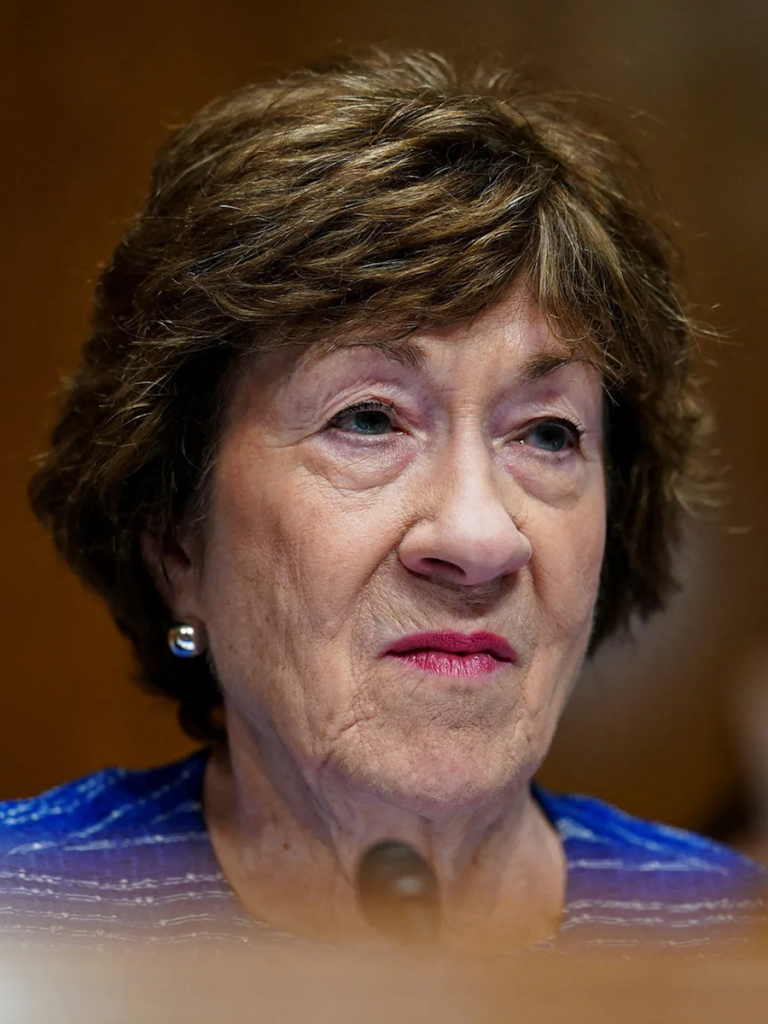
Maine is the only state won two years ago by Kamala Harris that is represented in the Senate by a Republican. It might seem that this year’s elections should constitute an easy opportunity here for Democrats to recapture the Senate seat—yet Susan Collins has already shown more than once that such a conclusion is a mistake.
Elected for the first time nearly 30 years ago, Collins has continuously held her office since the presidency of Bill Clinton. Despite the clear rightward shift of her party, she remains one of the faces of the moderate wing of the Republicans. During her career she was written off several times—most recently in 2020, when Joe Biden was winning in Maine and polls showed a clear advantage for the Democratic candidate, also in the Senate elections. Collins sensationally won re-election, achieving a result almost nine percentage points better than the polling averages showed.
Record-low support for Donald Trump’s policies has, however, strengthened Democrats’ hopes of recapturing Maine. Initially the favorites to win the party nomination in the primaries were Janet Mills—the state governor supported by the establishment—and Graham Platner—a veteran and oyster farmer who came out of nowhere and became a star among the progressive wing of the Democrats. The latter won with a decisive advantage and almost immediately skeletons began falling out of his closet. First, his old social media posts of a racist, homophobic, and misogynistic nature came to light. During military service in Croatia he got a tattoo depicting a symbol commonly associated with Nazism, which he covered up after a wave of criticism, claiming ignorance. The nail in the coffin became the accusation by his former partner of sexual assault. Although Platner rejected this charge, in July he withdrew his candidacy.
Faced with the impossibility of organizing new primaries, the Democratic Party of Maine decided to select a replacement at a party convention. By this route the nomination was obtained by the polling favorite Troy Jackson—former president of the state Senate, who managed in a short time to rebuild the campaign. The attempt to recapture the seat from the hands of the long-serving senator and inheriting a candidacy ruined by his predecessor obviously work to his disadvantage. It seems, however, that problems are also mounting for his competitor—Susan Collins is evidently beginning to be bothered by her age (she turns 74 this year), support for President Trump is scraping the bottom, and the residents of Maine are particularly harmed by his tariff policy toward the northern neighbor of this state—Canada. Polls indicate a slight advantage for Jackson, yet Susan Collins’s political history does not allow for a clear indication of a favorite in this race, which is absolutely crucial for the Democrats.
New Hampshire
2024 result – Harris +2.8
Incumbent senator – Jeanne Shaheen (D) (not seeking re-election)
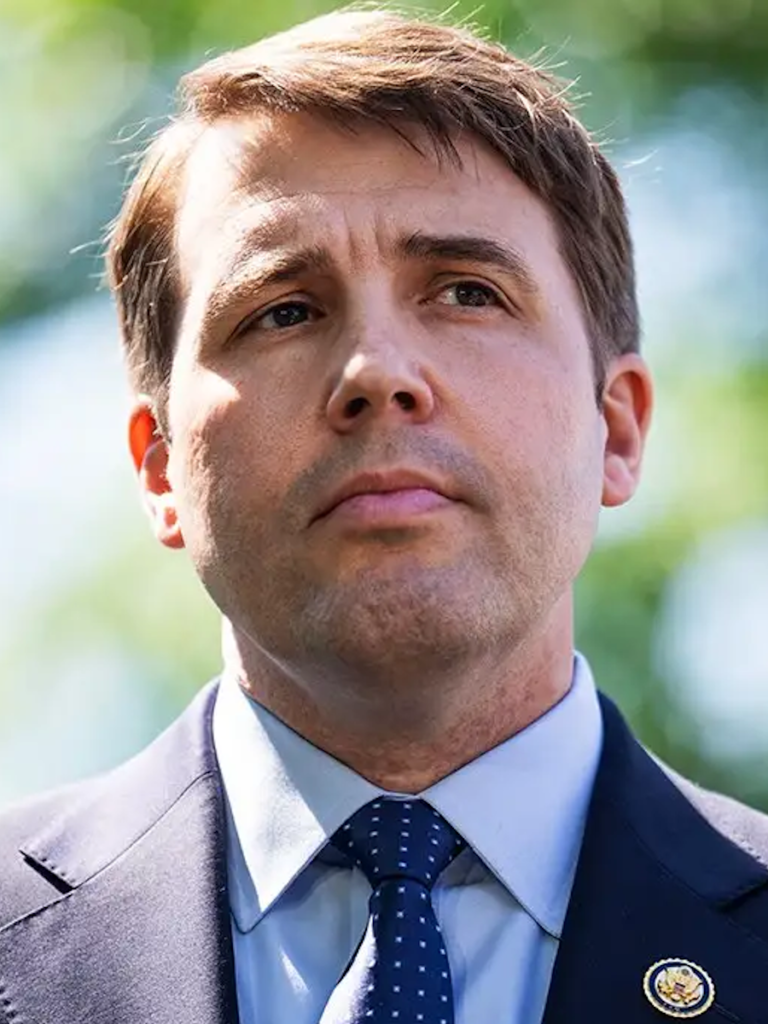

The Senate elections in New Hampshire became loud when former Republican senator John Sununu announced his candidacy. A member of a significant family in this state—his brother and father were long-serving governors. He is trying to regain the seat he lost in 2008, sticking to the political center. Despite attempts to distance himself from President Trump, the electoral favorite remains Democrat Chris Pappas—a member of the House of Representatives linked to the party establishment, who does not arouse major controversies. Congressman Pappas rebuilt his position after a polling collapse late in the summer and regained the lead, but Sununu’s strong roots do not allow Democrats full peace of mind.
Ohio
2024 result – Trump +11.2
Incumbent senator – Jon Husted (R) (took the seat by decision of the state governor after JD Vance’s election as vice president)
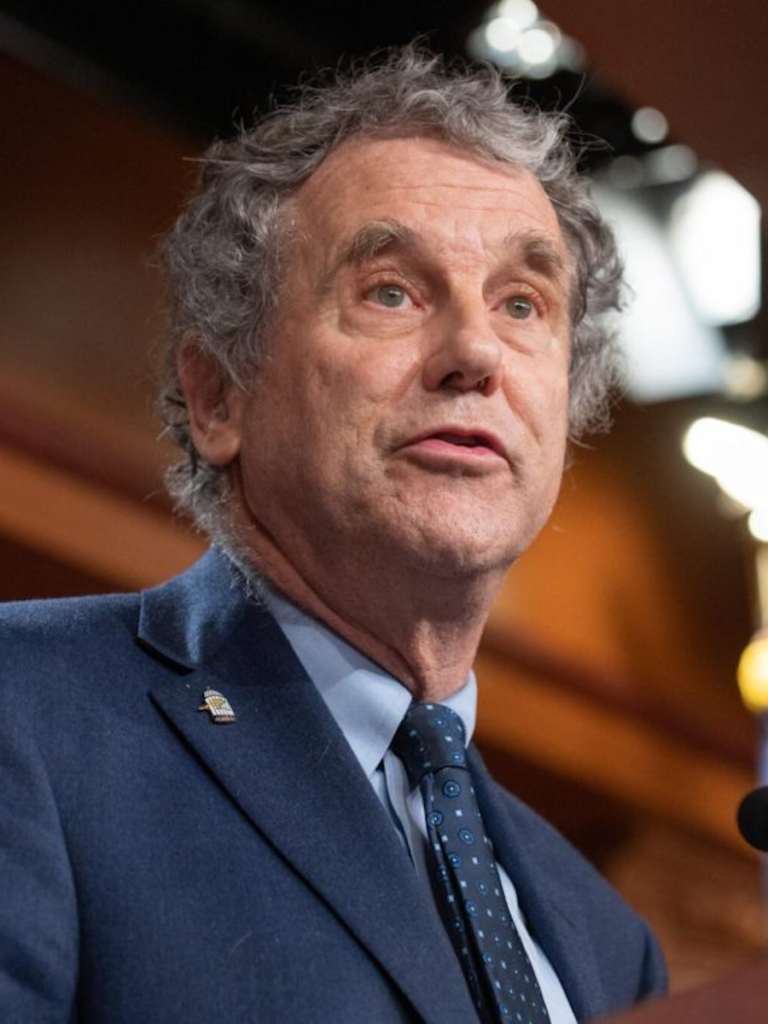
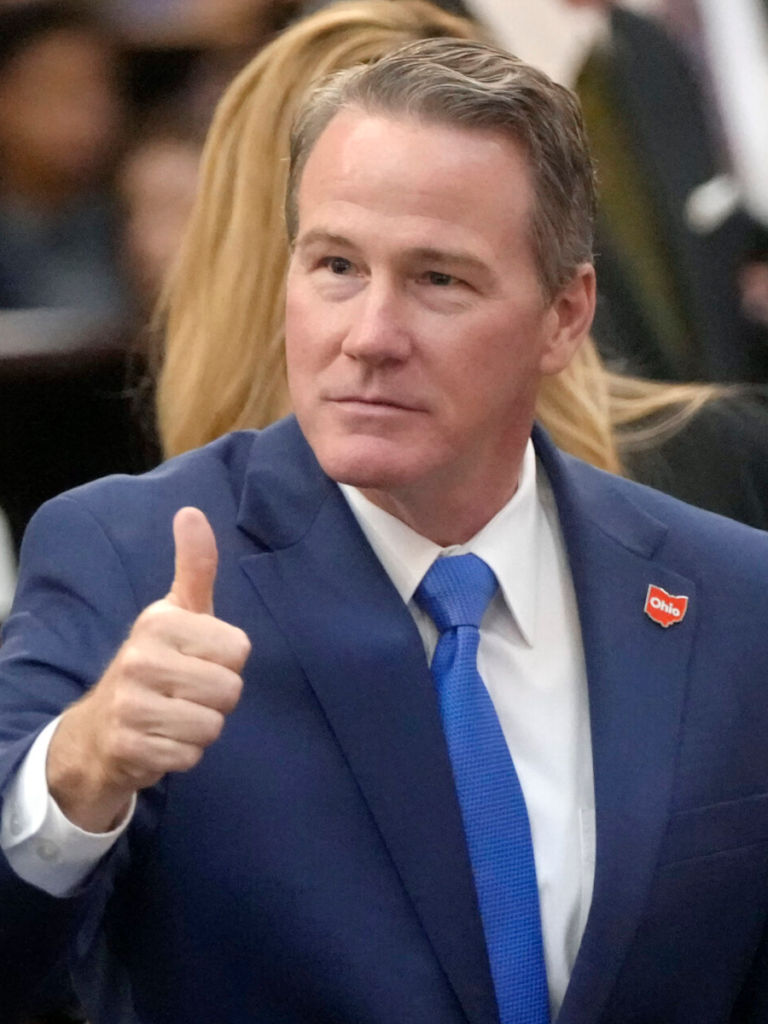
The Senate elections in Ohio are different from those in the other states because they are special elections to fill a vacancy. Their winner is to complete the term of JD Vance, who took this office in 2022 but resigned from it in 2025 to take the office of vice president of the USA. Since 2016 Ohio has continuously voted for Republicans in all presidential elections, who currently control both chambers of the state legislature as well as all state offices. This year, however, Democrats are fielding Sherrod Brown, a long-serving senator from Ohio, who may take the seat from Jon Husted, who is holding the office as a replacement for JD Vance.
Jon Husted is a representative of the Republican Party establishment. From January 2019 to January 2025 he held the office of lieutenant governor of the state of Ohio, and earlier the office of secretary of state. Through many years of work for Ohio he became known as an efficient administrator. In January 2025 Governor Mike DeWine appointed him to the office of senator from Ohio. Over more than a year of work in Congress he worked on the Senate committees for Environment and Public Works; Health, Education, Labor and Pensions; Small Business and Entrepreneurship. In the Republican Party primaries Husted encountered no opposition and was the only candidate of his party. By mid-October this year he had raised over $19 million for his campaign and spent over $15 million. His position in the party as a representative of the establishment is both his asset and his flaw. Through his stance he has problems mobilizing the hard MAGA electorate, for whom Husted’s centrist roots are a problem.
Facing him stands a figure perfectly known to the residents of the state—Sherrod Brown, former three-time senator, who lost his seat in 2024. He easily won the Democratic Party primaries in Ohio, achieving almost 90% support. Brown is known for his strong rhetoric defending workers’ rights, particularly loud during the COVID-19 pandemic, as well as sharp criticism of the trade policy of the current Trump administration. Thanks to great popularity as a long-time representative of Ohio in Congress, Brown convinced donors to raise the astronomical sum of over $68 million for his campaign, of which he has already spent almost $64 million. Such an enormous advantage in campaign funds in Brown’s favor signals that Democrats are counting on regaining the seat in the Senate.
In these elections the decisive factor will be the impact of US trade policy toward Canada—as much as 31% of Ohio’s exports go precisely there, and the increase in tariff barriers hits particularly small and medium-sized enterprises, which largely lean toward Republicans. Moreover, the enormous Democratic advantage in campaign spending is having an effect, because most pollsters give a slight advantage to Brown over Husted.
Michigan
2024 result – Trump +1.4
Incumbent senator – Gary Peters (D) (not seeking re-election)
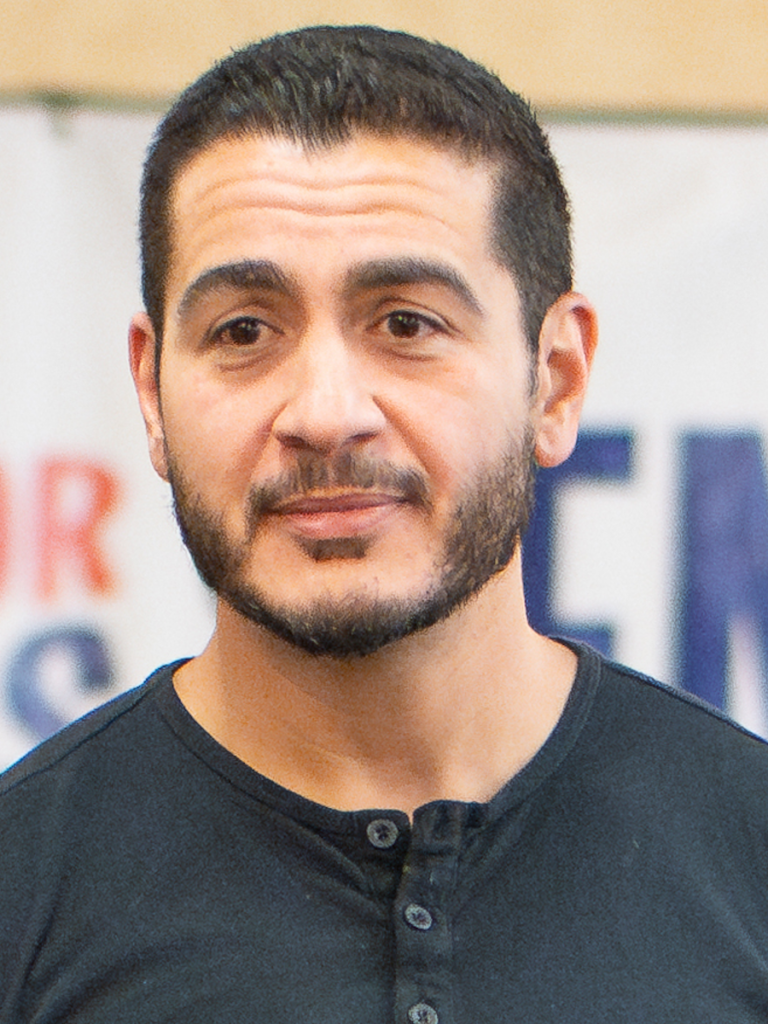
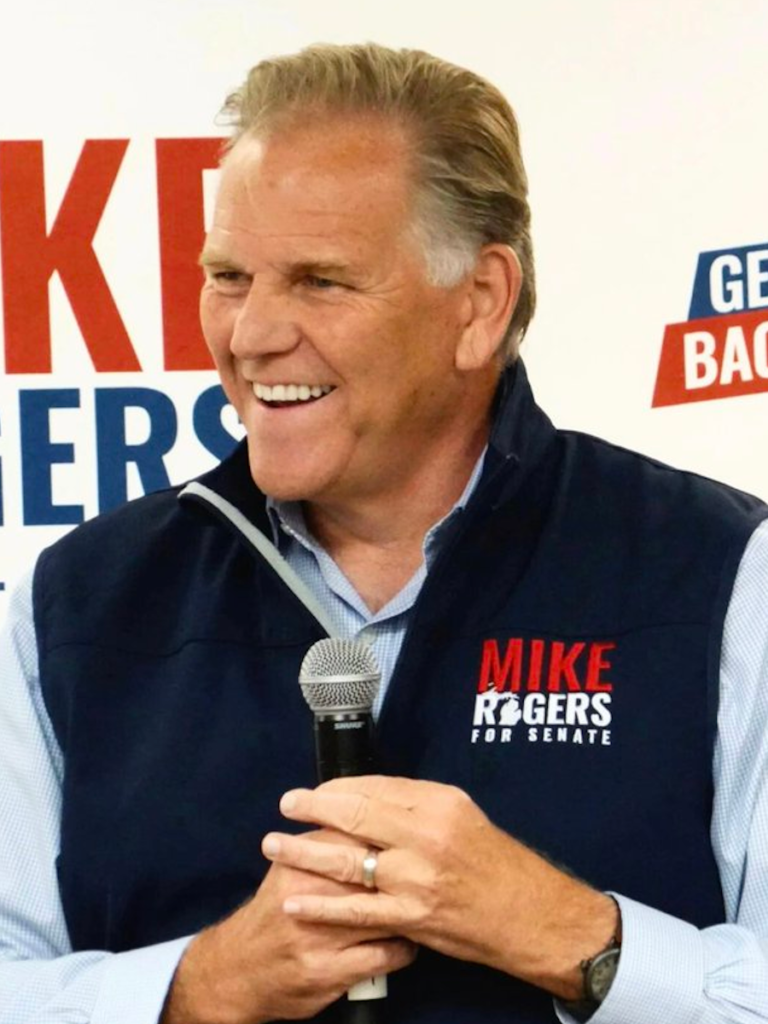
The announcement of political retirement by Senator Peters opened the way to open and exceptionally fierce Democratic primaries in Michigan—a state in which they cannot afford a defeat. Initially seeking the nomination were: state Senate member Mallory McMorrow, Congresswoman Haley Stevens—supported by the party establishment and pro-Israel lobbyists—and Abdul El-Sayed, former director of the Wayne County Health Department (where Detroit is located) of Egyptian origin. McMorrow withdrew before the voting, and the campaign focused on the candidates’ positions toward the war in the Gaza Strip, where El-Sayed represented the pro-Palestinian side in contrast to Stevens. Ultimately he won by a hair over the centrist counter-candidate, which caused outrage and anxiety among some Democrats.
On the Republican side only one candidate fought for the nomination—Mike Rogers, former chairman of the influential House Intelligence Committee. He gained recognition as a statewide candidate thanks to the elections two years ago. Then, despite Donald Trump’s victory, Rogers lost the Senate race to Elissa Slotkin. In this year’s midterms he sees his chance for a political comeback.
The Republican campaign is trying to fuel the conflicts that have arisen inside the Democratic Party around El-Sayed’s nomination, fighting for former voters of Haley Stevens. Rogers and President Trump himself have repeatedly emphasized the alleged connections of their competitor with the Muslim Brotherhood and his religion. El-Sayed, representing the progressive wing of the Democrats, would be the first Muslim in the American Senate. It is worth noting that Michigan is home to the largest Arab minority relative to the state population. This community largely turned against Kamala Harris in 2024, contributing to Trump’s victory. Their mobilization may prove crucial for El-Sayed. Additionally, the unpopularity of the president’s administration favors him, with which Mike Rogers is trying to fight with mixed results.
The decisive factors may turn out to be the attitudes of Black and Jewish voters—traditionally Democratic-leaning minorities, looking unfavorably on El-Sayed’s candidacy—as well as numerous trade unions, whose members constitute an electorate that cannot be ignored in post-industrial Michigan. Polls indicate an advantage for Abdul El-Sayed, but it is far from comfortable.
Just two days before voting a surprising twist occurred—El-Sayed’s primary counter-candidate, Haley Stevens, decided to give official support to Mike Rogers. Assessing the effects of this support on the literal finish of the campaign is difficult, but it certainly does not improve the Democrats’ situation.
North Carolina
2024 result – Trump +3.2
Incumbent senator – Thom Tillis (R) (withdrew from seeking re-election)
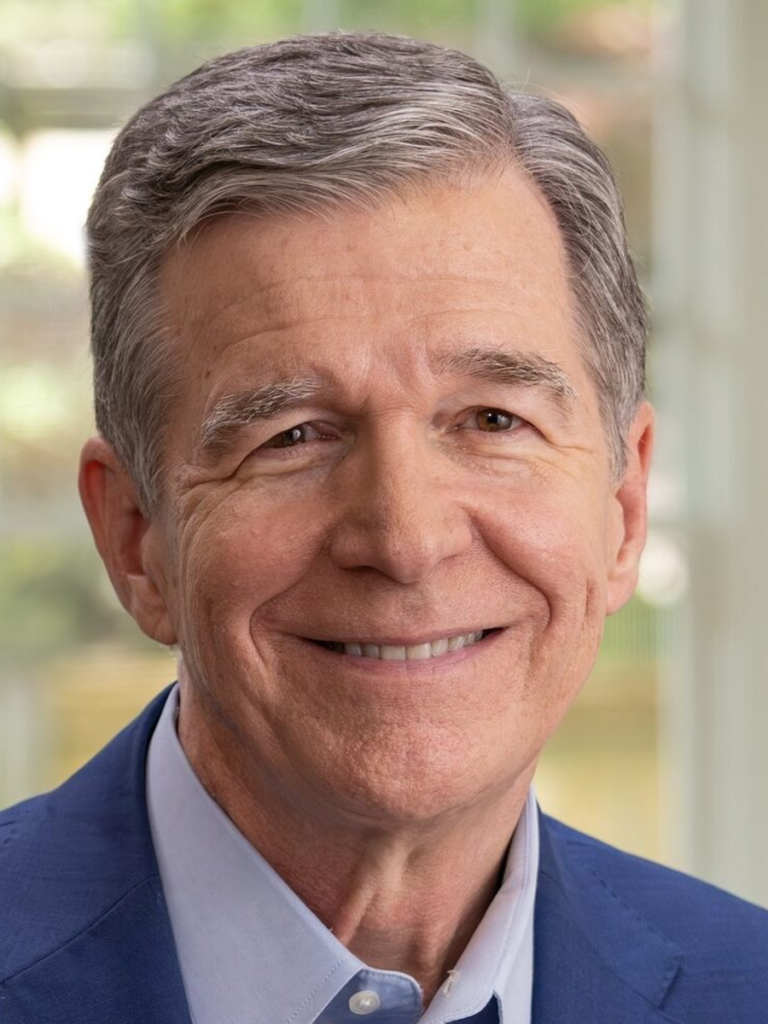
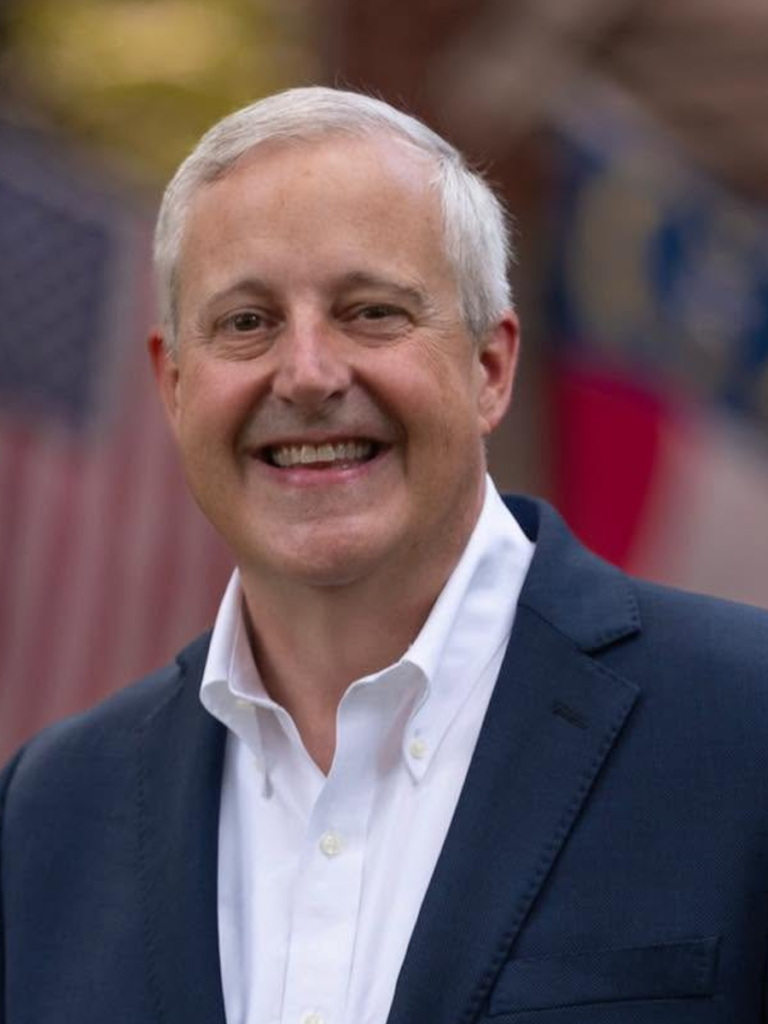
Representing North Carolina for two terms, Senator Thom Tillis initially intended to seek a third. He found himself, however, in the crossfire of criticism from President Trump and his supporters after he expressed opposition to the so-called One Big Beautiful Bill, complaining about the cutting of federal funds and fading bipartisan agreements. After attacks from the president, Senator Tillis withdrew his candidacy.
Democrats seized the opportunity—former popular state governor Roy Cooper returned from political retirement. The very announcement of his entry into the race significantly shifted the balance in favor of his party. The turmoil on the Republican side also helped. After initial ideas of fielding Donald Trump’s daughter-in-law, Lara Trump, the candidate became Michael Whatley, former chairman of the Republican National Committee. Seeking office, however, in difficult political conditions and with little recognition, he was practically written off. North Carolina constitutes the surest opportunity for Democrats to recapture a Senate seat, which is confirmed by polls giving a clear advantage to Cooper.
Georgia
2024 result – Trump +2.2
Incumbent senator – Jon Ossoff (D)

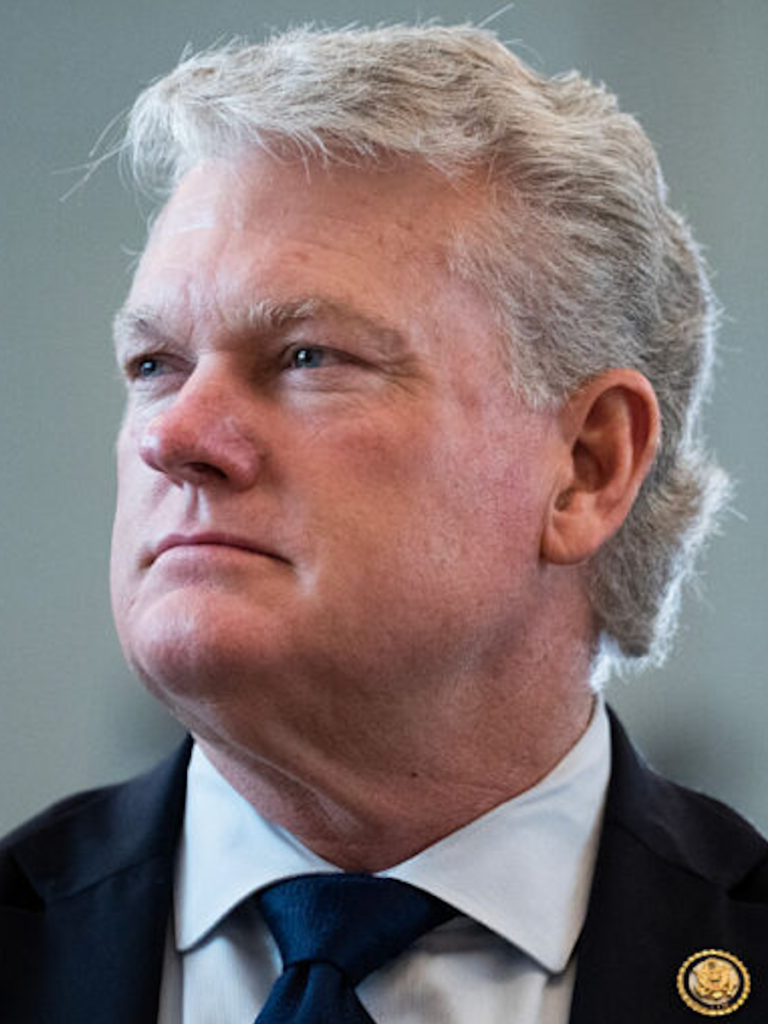
Even right after Donald Trump won in Georgia in 2024, Jon Ossoff maintained a quite comfortable position as favorite in the fight for re-election. Along with the weakening ratings of the president, the incumbent senator effectively consolidated his advantage, dashing Republican hopes of recapturing the seat. The president’s party was not helped by the choice of candidate either—Congressman Mike Collins, strongly associated with the MAGA movement, proved completely ineffective in debates against his competitor, unable throughout the campaign period to find a working line of attack.
Ossoff will most likely win re-election, which may constitute additional fuel for his growing position as a national star of the Democrats. Relatively young, coming from a southern swing state and of relatively moderate views, Ossoff is increasingly indicated as one of the serious candidates in the fight for the presidential nomination. The better he does on election day, the more real it becomes for him to announce a run in the Democratic Party primaries.
South Carolina
2024 result – Trump +17.9
Incumbent senator – Darline Graham (R) (took the seat by decision of the state governor after the death of Lindsey Graham)

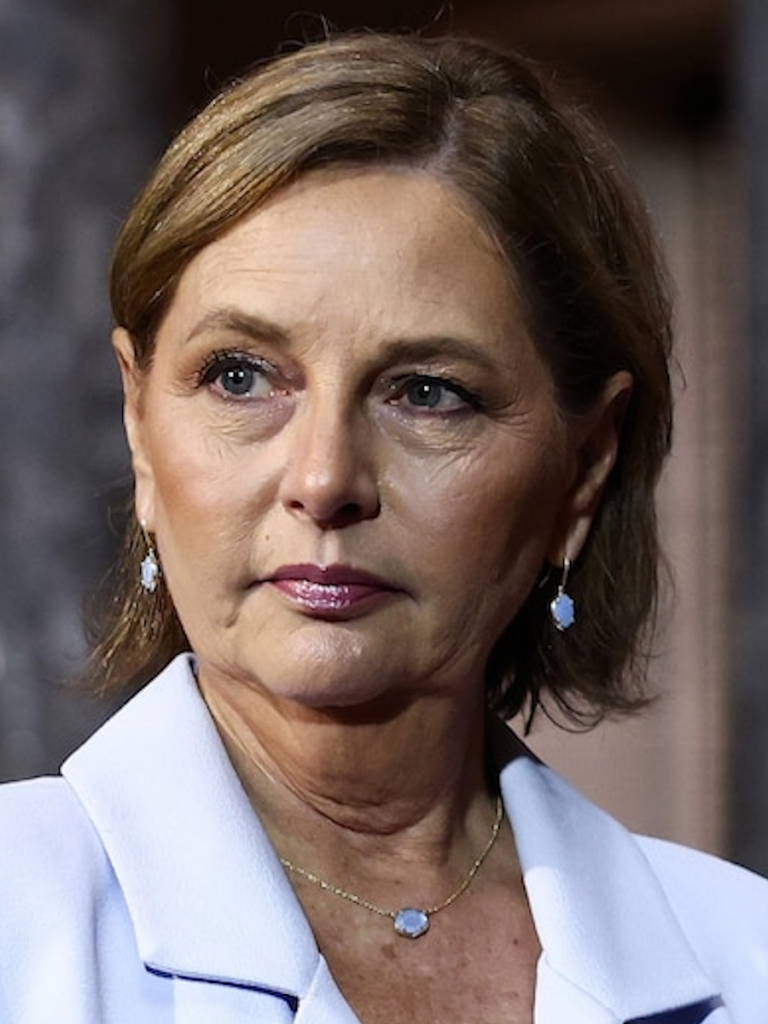
Around the Senate seat of Lindsey Graham—one of the most important politicians of the Republican Party and a close ally of Donald Trump—initially nothing indicated turbulence. The situation was changed by the sudden death of Senator Graham on July 11, shortly after the party primaries had taken place.
A frequently encountered custom in American politics in similar situations is to appoint a family member of the deceased politician so that he or she can hold the office until the next election cycle. This was also done this time—the Senate seat was taken by Graham’s younger sister, Darline. Given that the elections take place only a few months later, the Republican Party with Donald Trump at the head supported her candidacy in the primaries. And it was precisely here that the problem became apparent.
Darline Graham—a professional official working for the rights of the blind—turned out, to put it mildly, not very effective in the role of politician. Her answer to a question concerning the foreign policy of the United States, the specialization of the deceased Graham, echoed widely. The senator said a bit too honestly that “she is not very well informed on the matter of national security”—a statement looking all the worse in a situation when Washington is conducting a war with another state. Even with the support of the entire Republican Party apparatus, Graham barely won the primaries. The biggest beneficiary of this situation is of course her Democratic counter-candidate, pediatrician Annie Andrews. Polls began to show a close contest that lasted through most of the campaign. South Carolina is, however, a clearly conservative state, and Democrats have learned in the past that relying here only on optimistic polls can be exceptionally painful and costly.
Florida
2024 result – Trump +13.1
Incumbent senator – Ashley Moody (R) (took the seat by decision of the state governor after Marco Rubio’s election as secretary of state)
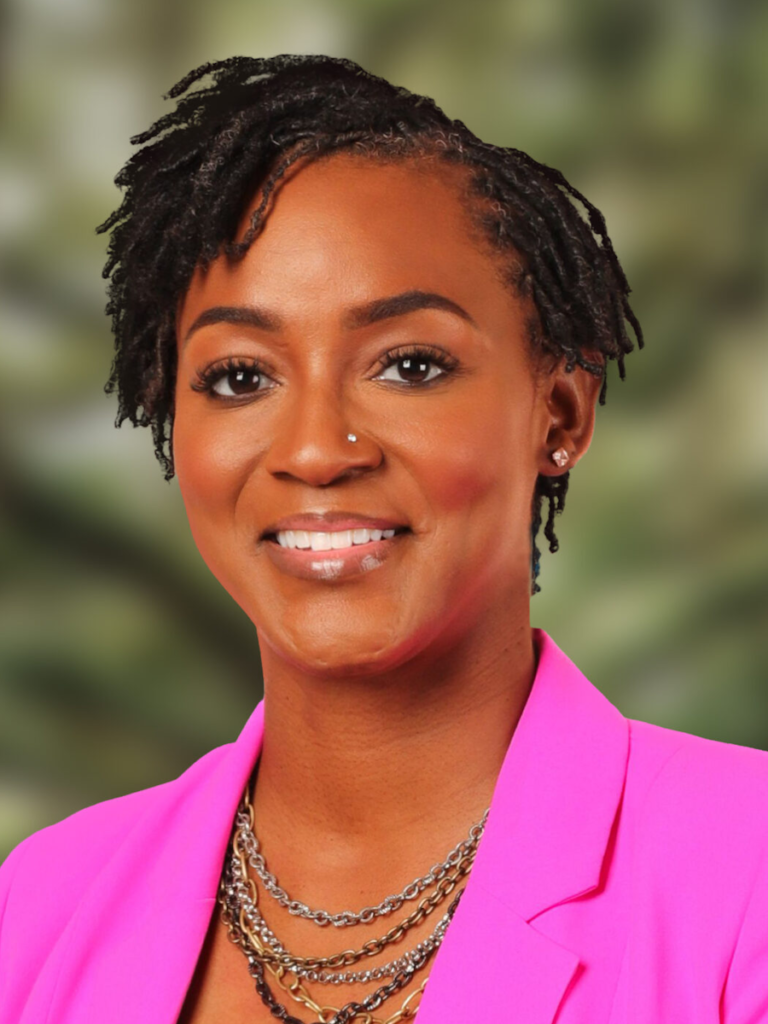
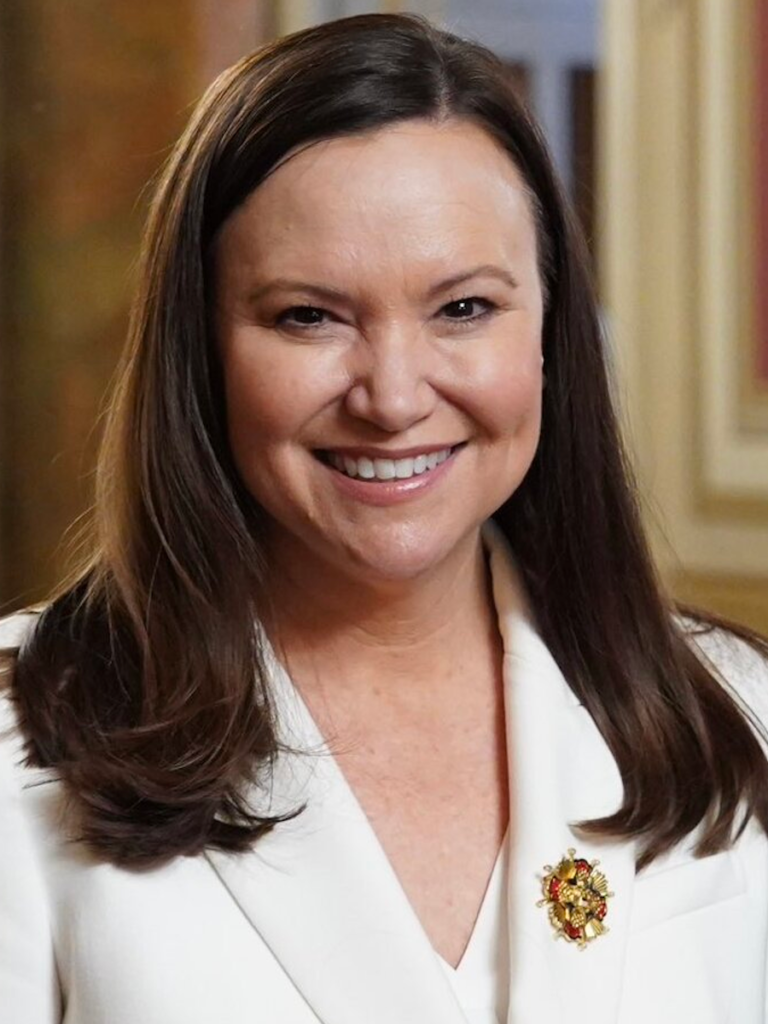
For years Florida was considered a key swing state—deciding the election of the president, where elections are decided by razor-thin margins. The era of Donald Trump has probably ended this status for good, about which this year’s special Senate elections may say a lot.
Ashley Moody entered the race as the favorite—former attorney general of Florida, whom Governor DeSantis appointed in place of the new US secretary of state Marco Rubio. She secured the party nomination without major problems. The Democratic primaries, however, caused considerable surprise. Contrary to expectations (and the considerable financial advantage of the competition) they were won by a member of the Democratic Socialists of America and state representative Angie Nixon—probably the most distinctly left-wing candidate of the Democratic Party in this year’s midterms. There is little chance of a repeat of the electoral surprise in a clash with Moody. The radical rightward shift of Florida and the controversial Democratic nomination herald the retention of the seat in Republican hands.
Texas
2024 result – Trump +13.7
Incumbent senator – John Cornyn (R) (lost the Republican Party primaries)

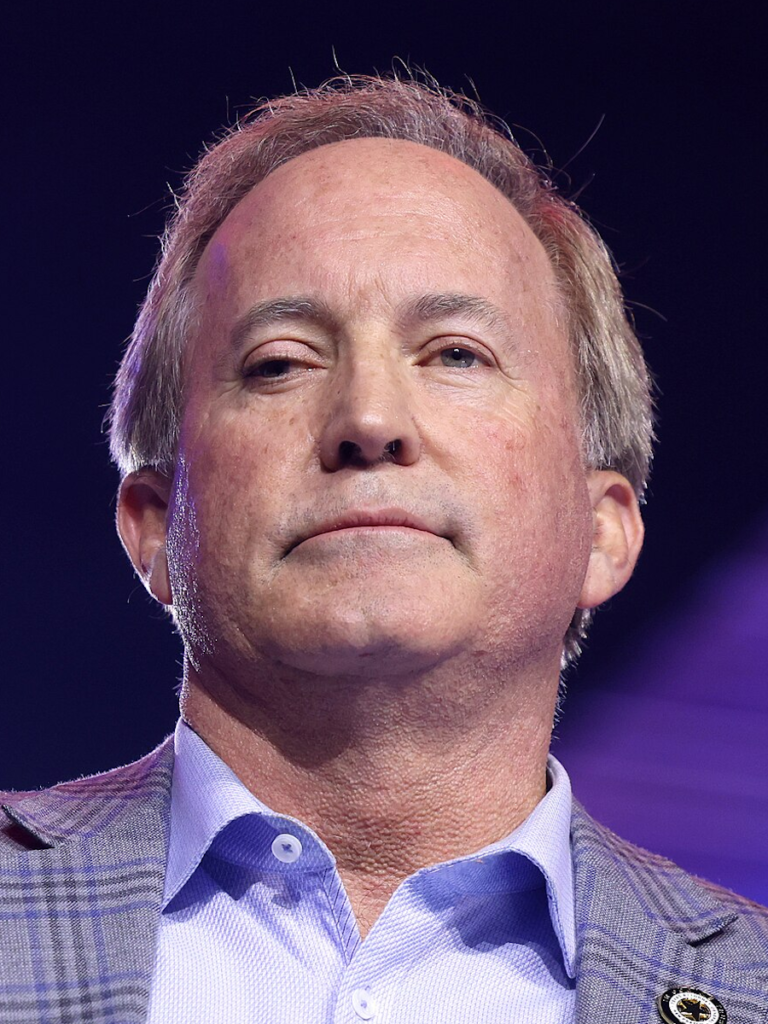
In the 21st century Texas is associated by everyone as a Republican bastion, and rightly so, because the last Democrat elected here to the US Senate was Lloyd Bentsen in 1988. However, demographic changes are an inexorable state of affairs and although Republicans control the majority in the state legislature and the governor’s office, this year’s elections are nothing certain for the GOP. Republican John Cornyn lost the primaries to Ken Paxton, as a result of which he cannot seek re-election, and on the Democratic side the young and charismatic James Talarico is running.
The Republican primaries in Texas were a duel between the old party establishment, known for center-right and conservative views (John Cornyn), and the extreme and radical right wing represented by the MAGA movement (Ken Paxton). Thanks to the support of Donald Trump, who called Cornyn a RINO (Republican in name only), i.e. a Republican in name only, pointing to his support for Ukraine, Ken Paxton obtained the support of the majority and became the GOP candidate for the Senate. Earlier, as attorney general of Texas, he became known as a hard MAGA representative with very anti-immigration views. Moreover, he is a very polarizing and controversial figure, even for conservative voters. His biggest scandals include, among others: economic fraud (including urging investors to buy shares of a company from which he received a commission for it), accusations of corruption from his colleagues in the prosecutor’s office, several extramarital affairs that led to a divorce from his former wife Angela in 2025, and an impeachment attempt in 2023, when on the basis of 20 charges the Texas House of Representatives (dominated by Republicans) voted 121 to 23 for Paxton’s impeachment. Later the Texas state Senate acquitted him and cleared him of all charges. Paxton raised over $22 million for his campaign by mid-October and spent over $17 million.
Against him the Democrats are fielding a candidate of the new generation—James Talarico. As a state representative he won the primaries in Texas, building his campaign on the image of a Christian progressive and reformer. In his rhetoric he does not rely only on classic liberal slogans, but combines them with pro-worker declarations and references to Christian values, as well as loud criticism of Christian nationalism, which he calls “the cancer of religion.” Earlier he worked as a teacher, which is why one of the main topics of his campaign is the reform of the financing and operation of state education, as well as the fight against corruption and lowering the costs of living. His message proved very convincing for many people, thanks to which he raised as much as $146 million by mid-October (of which $64 million in the third quarter of 2026 alone), thereby setting a new record in fundraising for a state campaign. Unlike Paxton, who obtained most of his funds from Super PACs financed by billionaires such as Elon Musk, James Talarico obtained a large part of his funds from small donations from voters.
The campaign in Texas quickly turned into a very dirty duel. Paxton largely avoided debates and based his campaign on donations from Super PACs for promotional spots and personal attacks on Talarico. Their peak took place at the beginning of October, when Paxton’s staff began publicizing the information that Talarico’s several-day absence from the campaign trail was caused by a stay in a psychiatric hospital in Ohio. Thanks to the support of social media such as Elon Musk’s X, this news made headlines in the USA (the Democratic candidate then received the nickname Talafreako, freak – weirdo), before it was denied by Talarico himself as well as the hospital where he was allegedly staying. Talarico, in turn, based his campaign on presenting Paxton as the living manifestation of corruption that is devouring both Texas and the USA under Trump’s rule.
In these elections the key factor will be turnout in the suburbs of the so-called “Texas Triangle” (covering the area between Houston, Dallas-Fort Worth, Austin, and San Antonio). Extremely right-wing views and a controversial past may discourage undecided voters and moderate Republicans, for whom Talarico may be an acceptable alternative. Another important element will be the support of Latino voters along the Rio Grande Valley. The anti-immigration actions for which Paxton is famous may tip the balance in Talarico’s favor and give Democrats a chance to recapture a key seat in the Senate. At the moment polls give Talarico an advantage of about 3 percentage points.
Iowa
2024 result – Trump +13.2
Incumbent senator – Joni Ernst (R) (not seeking re-election)

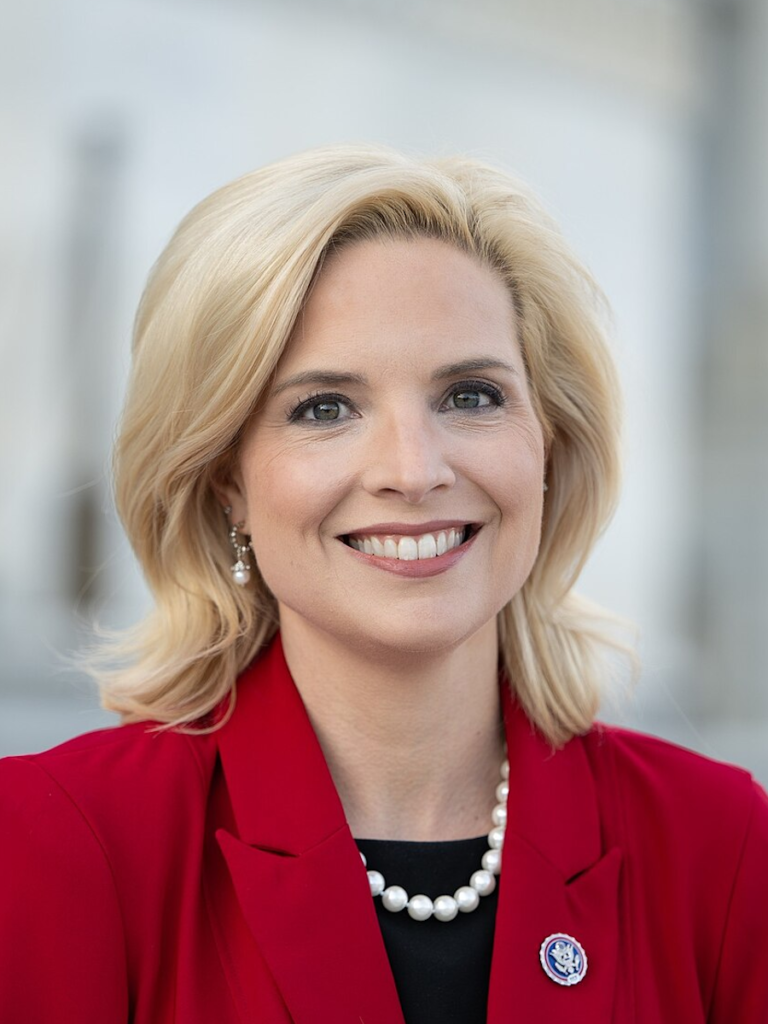
Incumbent senator Joni Ernst already experienced an electoral false start a year ago. First she antagonized her own party by criticizing the nomination of Pete Hegseth as secretary of defense/war. The finishing blow to her political career turned out to be her answer to a question concerning cuts in spending on federal health programs. She justified potential excess deaths associated with them by saying that “we’re all going to die anyway.” After arousing the dislike of practically everyone around her, she resigned from the fight for re-election.
Both Republicans and Democrats opted for non-controversial and rather moderate candidates. The GOP nomination was obtained by Congresswoman Ashley Hinson, and her Democratic opponent became Josh Turek, a former Paralympian and member of the state House of Representatives. Despite the fact that the course of the Senate campaign in Iowa does not arouse much interest from national media, polls indicate that the elections here are one of the most evenly matched races of the entire midterms.
The fierce fight for the seat in Iowa is largely caused by a significant drop in support for the Donald Trump administration among farmers, who have painfully felt the negative effects of aggressive tariff policy. The agricultural sector remains a key branch of the economy for the state. Turek is also favored by the gubernatorial campaign of Rob Sand—a popular Democrat, part of whose support may spill over into the Senate race as well.
Minnesota
2024 result – Harris +4.2
Incumbent senator – Tina Smith (D) (not seeking re-election)
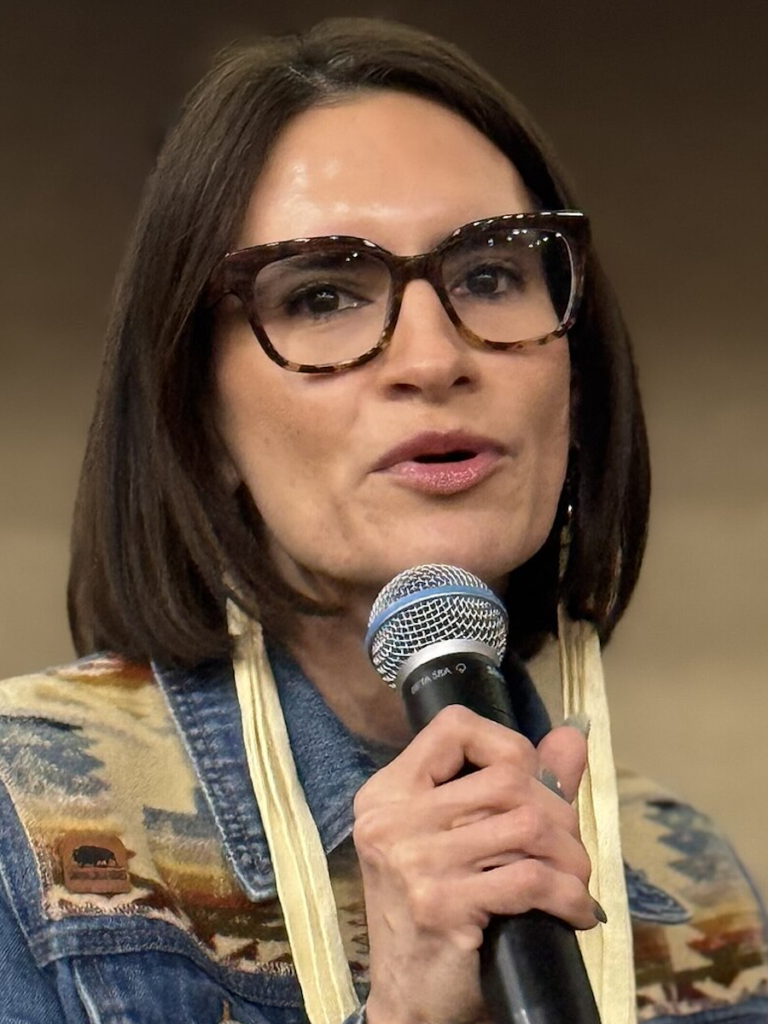
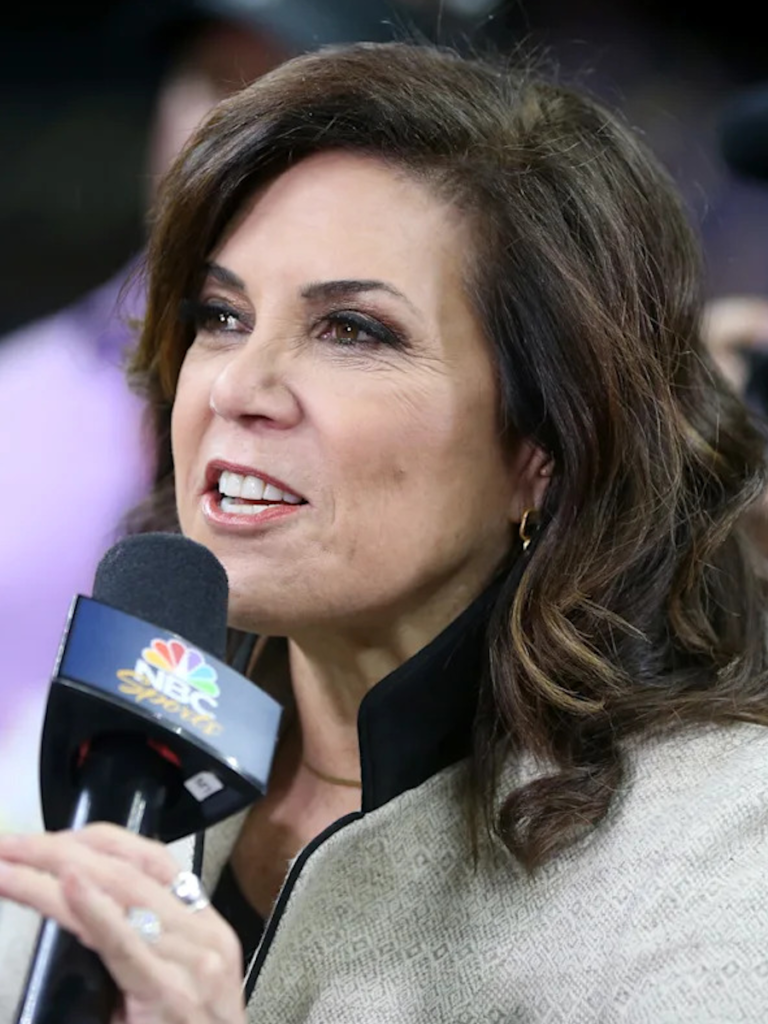
The Senate race in Minnesota is attracting attention because these are the first elections since 2006 in which the incumbent senator is not seeking re-election. Previous senator Tina Smith of the Minnesota Democratic-Farmer-Labor Party (DFL), which is affiliated with the national Democratic Party, decided not to run in the elections. In the DFL primaries Peggy Flanagan was selected as their candidate, who previously held the office of lieutenant governor of the state. Republicans in the primaries opted for Michele Tafoya—a well-known journalist and television presenter. Although Minnesota is a blue state, a shadow is cast over these elections by a financial scandal related to the embezzlement of social and care funds (including the scandal of the non-profit organization Feeding Our Future), in which millions of dollars were misappropriated. Republicans are using this scandal to show the incompetence and corruption of the DFL, which governs Minnesota.
Kansas
2024 result – Trump +16.1
Incumbent senator – Roger Marshall (R)

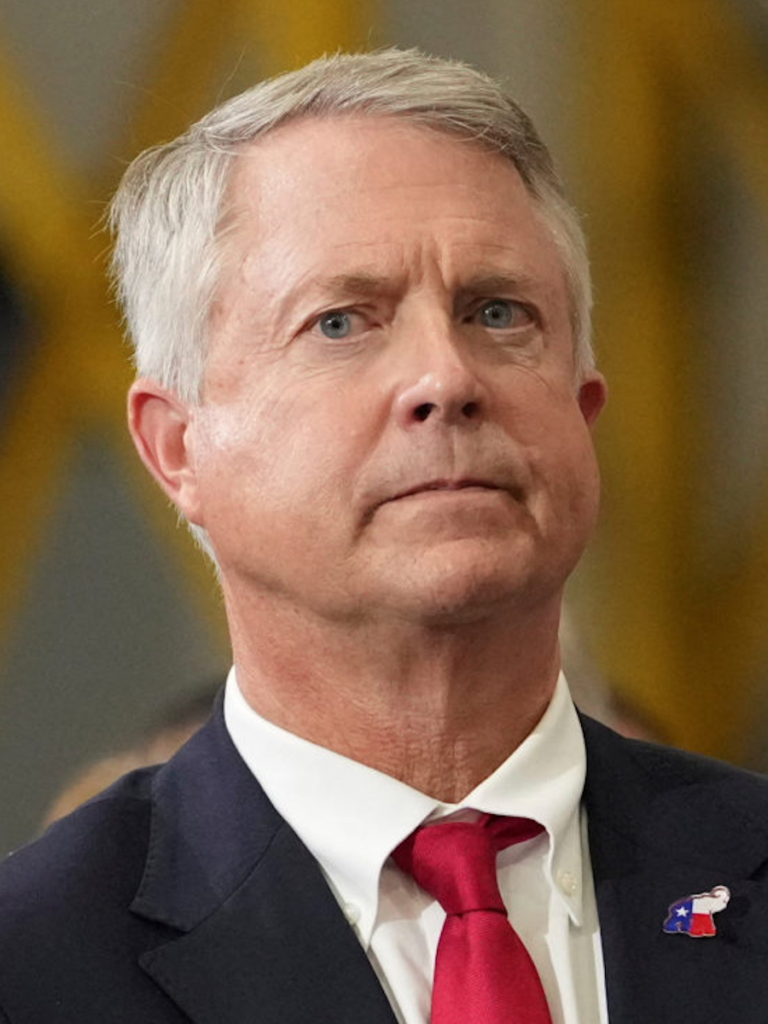
Kansas is another Republican bastion that has become the center of attention in these elections. Although the last time Democrats won Senate elections in Kansas was in 1932, in this year’s elections the fight will last until the end, and the difference in votes will be minimal. This clash has the potential to become the biggest surprise of the entire elections.
On the Republican side, seeking a second term, Roger Marshall smoothly passed through the party primaries, obtaining nearly 80% of the votes. Marshall, a gynecologist by profession and former congressman, became known as a hard supporter of Donald Trump’s agenda. Although he enjoys the support of the Republican establishment and Vice President JD Vance, his strongly partisan profile and uncompromising rhetoric have begun to arouse resistance among some moderate voters, especially in the suburbs. By mid-October Marshall had raised slightly over $7.5 million for his campaign, relying largely on the support of traditional PAC committees and business.
Facing him the Democratic Party fielded an atypical candidate who completely broke the patterns of the traditional campaign in this state—Adam Hamilton. Hamilton is the founder and long-time pastor of Church of the Resurrection in Leawood—the largest community of the United Methodist Church in the USA. Using his enormous recognition in the Kansas City region and the image of a moderate spiritual leader, Hamilton easily won the Democratic primaries. In his campaign he skillfully combines Christian values with a pro-social program, focusing on the expansion of health care, support for agriculture, and lowering the costs of living, while sharply criticizing political polarization. His unique profile turned out to be a magnet for funds—Hamilton raised over $19 million for his campaign (mainly from small online contributions). Moreover, he gained the official support of many well-known state Republicans, including former governors Mike Hayden and Bill Graves.
Nebraska, Idaho, Montana, and South Dakota
2024 result (Nebraska) – Trump +20.5
Incumbent senator (Nebraska) – Pete Ricketts (R)

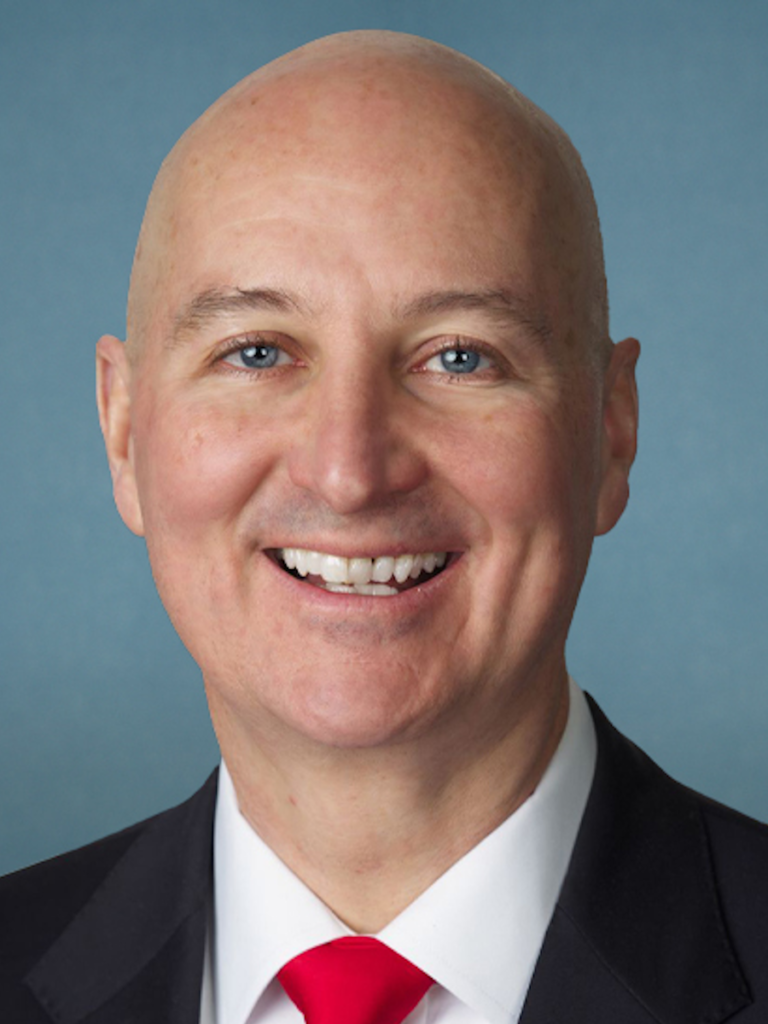
In this quartet of states in which Republicans dominate, it is not Democrats but independent candidates who are the greatest threat to the GOP majority in the US Senate.
In Nebraska an extremely rare situation is occurring, where in a deeply conservative state the incumbent Republican senator Pete Ricketts is fighting a race not with a Democrat but with an independent candidate. Dan Osborn—a former trade union leader and mechanic—has created a strong non-partisan movement, rejecting the official support of both major parties and building a campaign around a populist pro-worker message and criticism of the party establishment and the rise in the cost of living. The Democratic Party in Nebraska has practically withdrawn from the race, opening the way for Osborn, who has gained the support of some moderate and independent voters. Ricketts, disposing of enormous funds and the support of the GOP structure, bases his re-election on the attachment of residents to traditional conservatism and the mobilization of the rural base. In the polls Ricketts maintains an advantage of about 2%, which for a Republican bastion is worrying for them.
Idaho remains one of the most durable and unanimous strongholds of the Republican Party in the entire country, where the official general elections are often only a formality after the intra-party GOP primaries. Long-serving senator Jim Risch is seeking a fourth term, building his position on enormous recognition, the exercise of key functions on the Senate Foreign Relations Committee, and strong representation of the interests of the state’s agriculture, energy, and natural resources industries. Because the state Democratic Party has for years suffered from a lack of personnel and structural financing, the main alternative for Risch on the ballot became independent candidate Todd Achilles. Although he tries to emphasize rising living costs and concerns related to the management of public lands, the dominance of the Republican Party at every level of state power means that Risch is heading for re-election without any real threat to his seat.
After the withdrawal from seeking re-election of the previous Republican senator Steve Daines in Montana, an open battle for the vacated seat occurred. The main favorite of the race became federal prosecutor Kurt Alme of the GOP, yet the balance of forces on the ballot was strongly complicated by the entry of independent candidate Seth Bodnar—former rector of the University of Montana, supported by the environment of former Democratic senator Jon Tester. Bodnar managed to attract most of the moderate and centrist electorate, pushing the official Democratic candidate, Alani Bankhead, to the margins and leading to a split of opposition votes. Alme is conducting a coherent campaign directed at the state’s conservative electorate, focusing on border security issues and economic policy. Despite the fierce fight for the centrist electorate between Bodnar and Bankhead, the split of votes on the non-party side gives Alme a comfortable advantage and an almost certain victory in a state that is becoming increasingly “red” from election to election.
In South Dakota the political situation has for years remained under the full control of the Republican Party, and the Senate clash is proceeding without major political turbulence. Incumbent senator Mike Rounds easily won the GOP primaries, obtaining overwhelming support from the party base and concentrating in his campaign on defense issues, veterans’ affairs, and agriculture. Democrats in South Dakota have long struggled with a deep structural crisis, which means that the candidates of this party have a negligible budget and a trace media presence. As in neighboring states of the region, the role of the main critic of the Republican majority is being taken over by independent candidates and local social activists. In South Dakota this person is Brian Bengs—a veteran and professor at Northern State University. However, due to the lack of great recognition of the counter-candidate and his limited campaign financing possibilities, Mike Rounds is heading for victory with a stable advantage.
Alaska
2024 result – Trump +13.1
Incumbent senator – Dan Sullivan (R)

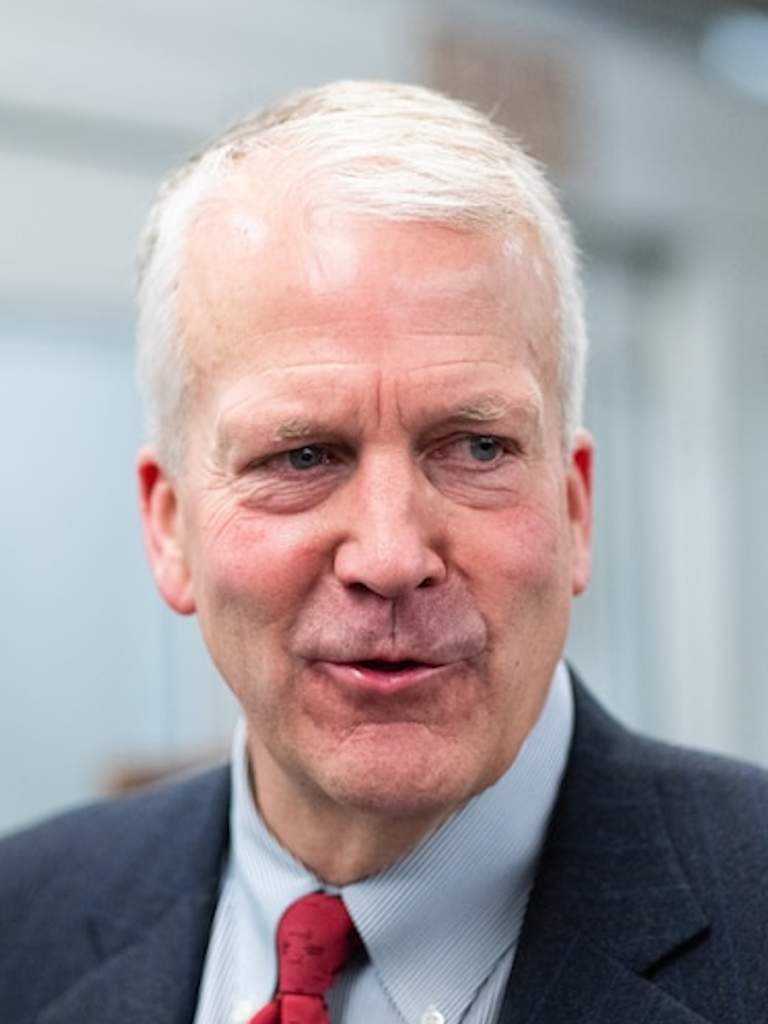
The announcement by Mary Peltola of a fight for the Senate seat really opened a chance for Democrats to recapture Alaska. Peltola, a former congresswoman, sensationally defeated former state governor Sarah Palin in the 2022 special elections—the vice-presidential candidate alongside John McCain in 2008—becoming the first Democratic woman from Alaska in the House of Representatives in nearly 50 years. She repeated the success during the midterms under Joe Biden’s term, losing by a hair in 2024.
Republican senator Dan Sullivan did not have to compete in close elections for a long time, which he showed by committing a series of blunders during debates. First—speaking colloquially—he “copied” the answer of his counter-candidate during the visual yes/no question section, and another time he accused the moderators of previously passing her the questions, giving the impression of being unprepared. Around Peltola there is also no shortage of controversies—according to media reports she was supposed to have behaved aggressively toward her interns during her parliamentary career, using homophobic insults or wishing death on a representative of an anti-abortion organization. Officially she explained this by stress related to the tragic death of her husband and mother in 2023.
To explain the loudest controversy of the elections in Alaska, one must first present its specific electoral system. The state uses ranked-choice voting (RCV) combined with open primaries of all candidates simultaneously, of which the four with the highest number of votes take part in the actual elections. During them it turned out that two Republicans named Dan Sullivan were seeking the Senate seat. Attempts were made to remove the “false” Sullivan from the ballots by judicial means, but without success. In order to distinguish him from the incumbent senator he was ordered to use his full name and was deprived of party affiliation. Despite this he obtained third place in the primaries and thus the right to run in November. According to the latest media reports, local Democrats and members of Peltola’s campaign were supposed to have recruited the second Sullivan to participate in the elections in order to mislead voters, which they deny. Nevertheless, this provoked a sharp reaction from the Donald Trump administration—the president involved the Department of Justice in an investigation against the Democrats, calling for criminal charges to be brought against Peltola and for her exclusion from the elections. In the event of her victory, this may constitute a pretext for Trump to challenge the results.
Political scandals do not show the whole picture of the specificity of the state that is Alaska. Due to isolation from the rest of the country, low population density, or the frosty climate, local living costs and gasoline prices are among the highest in the entire United States. Trump’s policy may once again unite the residents of Alaska above divisions, which is consistently indicated by polls that give Peltola a minimal advantage over the “real” Sullivan.
House of Representatives
Every two years Americans elect all 435 members of the lower chamber of Congress. Each of the states has a specified number of representatives, which is proportional to the population. In the current term Republicans have a minimal majority—220 seats compared to 215 of the Democratic Party.
The main competence of the House of Representatives is the creation of laws, including the federal budget. It can also conduct investigations through committees and initiate the impeachment procedure, for which a simple majority of votes is sufficient—this does not, however, lead to the removal of the given person from office, but only sends the case to the Senate.
Due to the fact that representatives are elected in single-member electoral districts using the first-past-the-post method (with rare exceptions), the phenomenon of gerrymandering appeared already at the dawn of American statehood. It consists in drawing electoral districts in such a way as to maximally increase the number of seats won by a given party, without regard for the voters. One can say that this problem unites Republicans and Democrats above divisions—both camps are entangled in this practice. In the past this phenomenon also had a racial character, because southern states created electoral maps in such a way as to limit as much as possible the influence of the Black population. Among other reasons, the Voting Rights Act (VRA) of 1965 was created, which prohibited gerrymandering on racial grounds.
The situation changed at the beginning of this year, when the Supreme Court, issuing a ruling in the case of Louisiana vs. Callais, significantly limited the power of the VRA. Already earlier Republicans, with the blessing of President Trump, began the process of implementing new electoral maps favorable to them. However, it was the decision in the VRA case that enabled the southern states governed by the GOP to get rid of Democratic districts. The other side also tried to make changes to their own maps, but with more mixed results.
In the final reckoning Republicans managed to put into effect new maps in Texas, Ohio, Louisiana, Alabama, Tennessee, North Carolina, and Florida. After a multi-month court battle, the attempt at gerrymandering in Missouri ended in failure, where ultimately a return was made to the old districts. Democrats managed in principle only to redraw new districts by way of a referendum in California. A similar attempt in Virginia ended in failure—although the residents of the state expressed consent, the court rejected the voting result for formal reasons. In Utah, a strongly conservative state, the local court introduced a new map of districts on which Democrats gained.
It is worth noting that the gerrymandering started in this election cycle by the Republicans may just as well turn against them. The reason is very simple—Democrats have built a considerable advantage over the GOP, as a result of which the House of Representatives is already de facto written off. The opposition party almost always captures the lower chamber during midterms, and the record-low support for President Trump makes this scenario practically certain. Realistically one can therefore pose the question of what scale of victory will be considered a true success for the Democrats.
Governorships
The United States is a federal republic, and consequently individual states enjoy broad autonomy, and their decisions and laws really affect the daily life of Americans. At the head of each of them stands a governor—the most important person in local governments, although his or her rights and duties differ depending on the place. Gubernatorial races attract the most attention, but it is worth remembering that state Houses of Representatives, Senates, as well as other bodies whose rank can be compared to ministers or judges are also elected in parallel. Names in further places on the ballots will sometimes affect the life of the average citizen more than one or another federal official.
During this year’s midterms Americans will elect as many as 36 governors. In many states significant reshuffles may occur, even if the party coloring does not change—a large part of the people currently holding these offices have reached the constitutional term limits this year.
Ohio
2024 result – Trump +11.2
Incumbent governor – Mike DeWine (R) (reached the term limit)
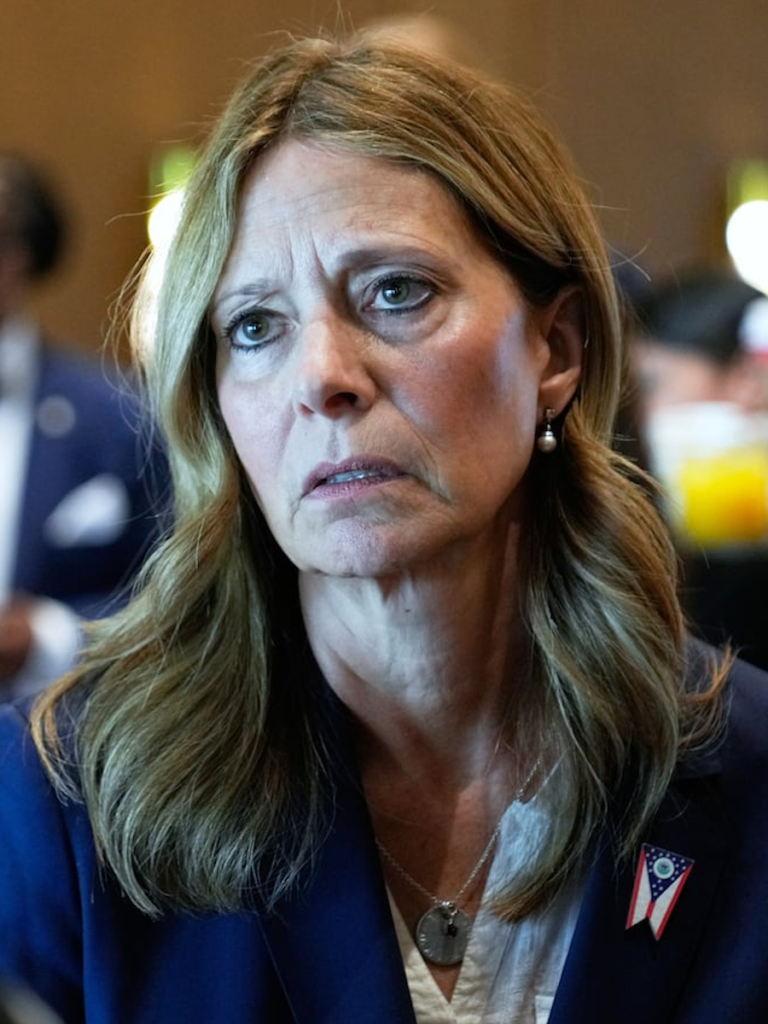
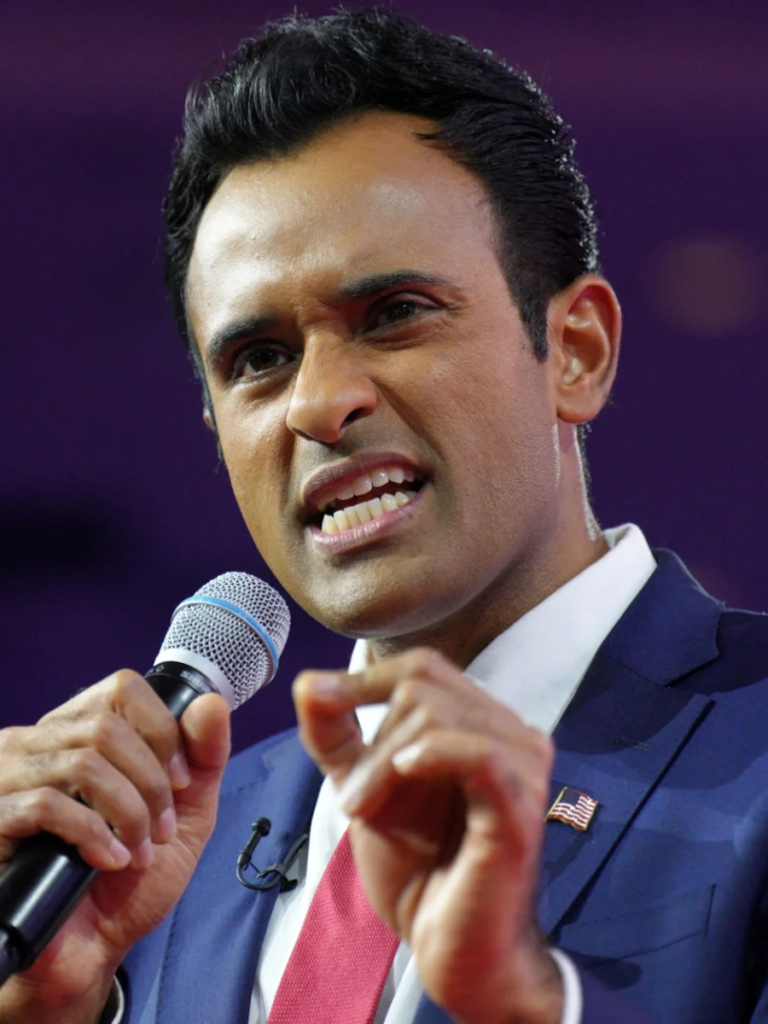
The gubernatorial campaign in Ohio constitutes a clear example that even in the highly polarized American reality the quality and personality of the candidate are of enormous importance. Republicans are feeling this painfully thanks to the never-ending spiral of embarrassments that is the candidacy of Vivek Ramaswamy.
Ramaswamy—a businessman of Indian origin and a follower of Hinduism—was initially supposed to jointly lead with Elon Musk the Department of Government Efficiency (DOGE), yet he resigned from this idea in favor of running in the gubernatorial elections. The decision announced still at the beginning of 2025 and strong support from Donald Trump and the MAGA movement helped him easily win the party primaries. The problems became the perception of Ramaswamy as a billionaire detached from reality and his origin and religion—the latter led to a shock among Republicans. Extremely right-wing influencer Nick Fuentes officially called on the residents of Ohio to vote for the Democratic candidate—Amy Acton, a doctor and professor of medical sciences, who during the pandemic headed the Ohio Department of Health by nomination of Governor DeWine.
During the campaign Ramaswamy accumulated a series of more or less media blunders and became the object of memes, often of a xenophobic nature. Acton, in turn, during a visit in Mahoning County was attacked by an armed man who wounded several people at the time, but the candidate herself was not injured.
The event through which Ohio found itself on the front pages of national newspapers was an election advertisement aired by Ramaswamy’s staff. In it appeared the mother of Amy Acton, who called her daughter “a liar with serious problems” and advised against voting for her. A true political bomb that spectacularly exploded in the Republicans’ hands. It quickly turned out that Acton’s mother had lost parental authority over her daughter when she was 12 years old, because her partner had allegedly committed sexual violence against her. After this event she not only did not support her daughter but remained in a relationship with her abuser. As a result of the outrage even of the Republican Party, Ramaswamy finally withdrew the advertisement, but it took several weeks during which he saw no major problems in it. In this way the Republicans’ chances of retaining the governor’s chair collapsed, although the polls still do not rule out such a possibility.
Georgia
2024 result – Trump +2.2
Incumbent governor – Brian Kemp (R) (reached the term limit)
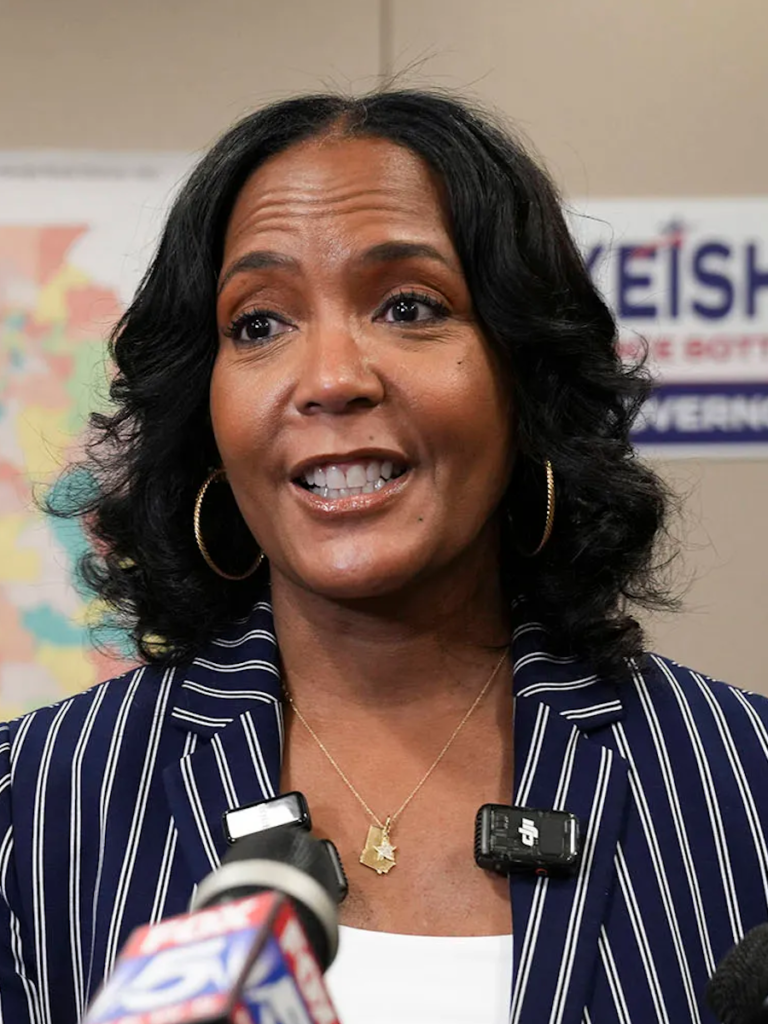
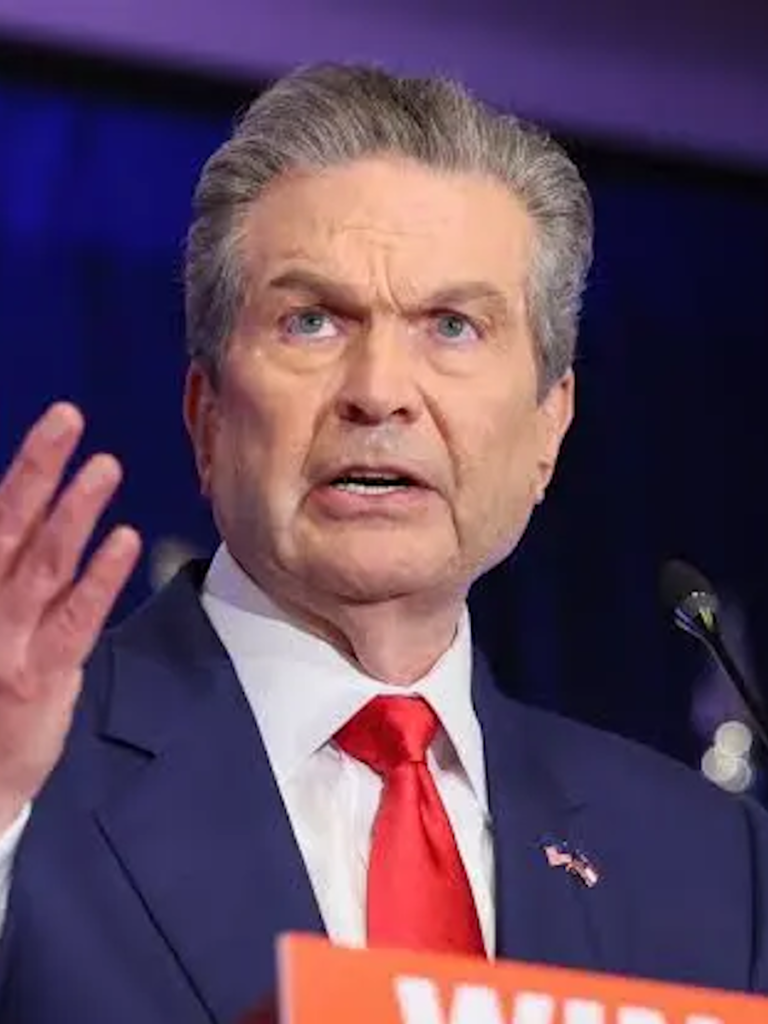
The impossibility of seeking re-election by Governor Brian Kemp and the refusal to run by Stacey Abrams, the long-time leader of the Democrats in the state, created a fully open race in Georgia. During primaries abounding in many candidates, the Republicans nominated businessman and billionaire Rick Jackson, while the Democrats—Keisha Lance Bottoms, former mayor of Atlanta.
A fascinating issue in these elections is the enormous financial chasm between the campaigns of both candidates. The high cost of American elections is nothing new, but Jackson raised over 20 times more funds than Lance Bottoms, which translates into a difference of the order of $120 million. Despite such a great advantage, the polls still indicate an evenly matched duel. Georgia may therefore show to what extent money is able to win against social discontent.
Florida
2024 result – Trump +13.1
Incumbent governor – Ron DeSantis (R) (reached the term limit)
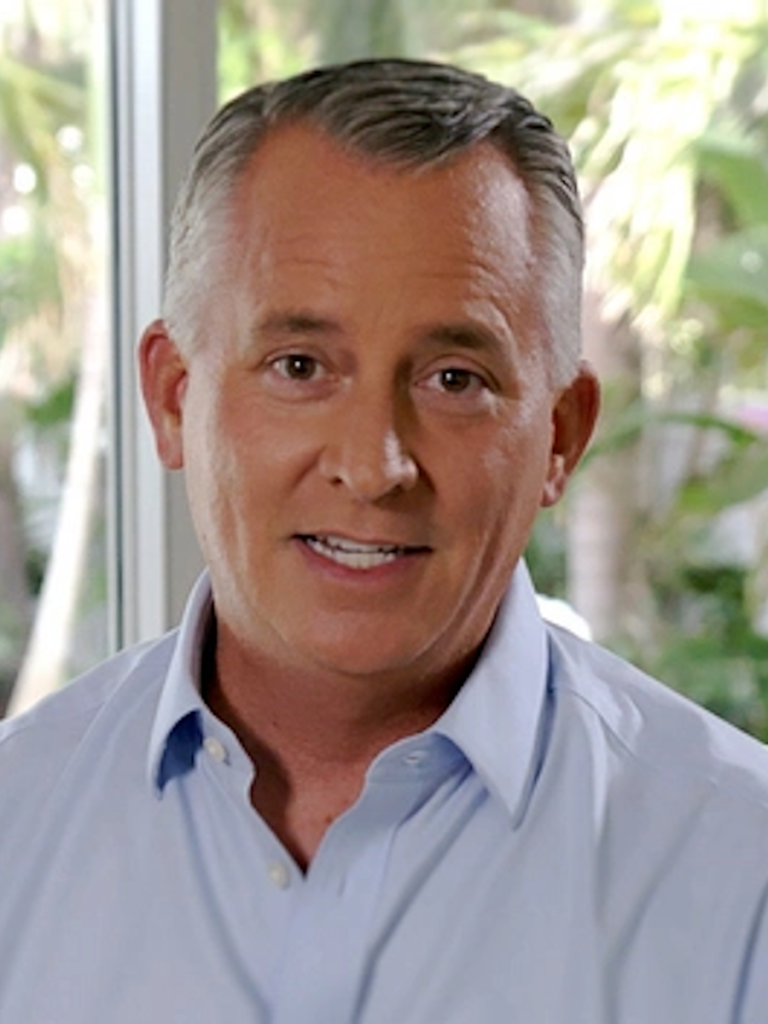
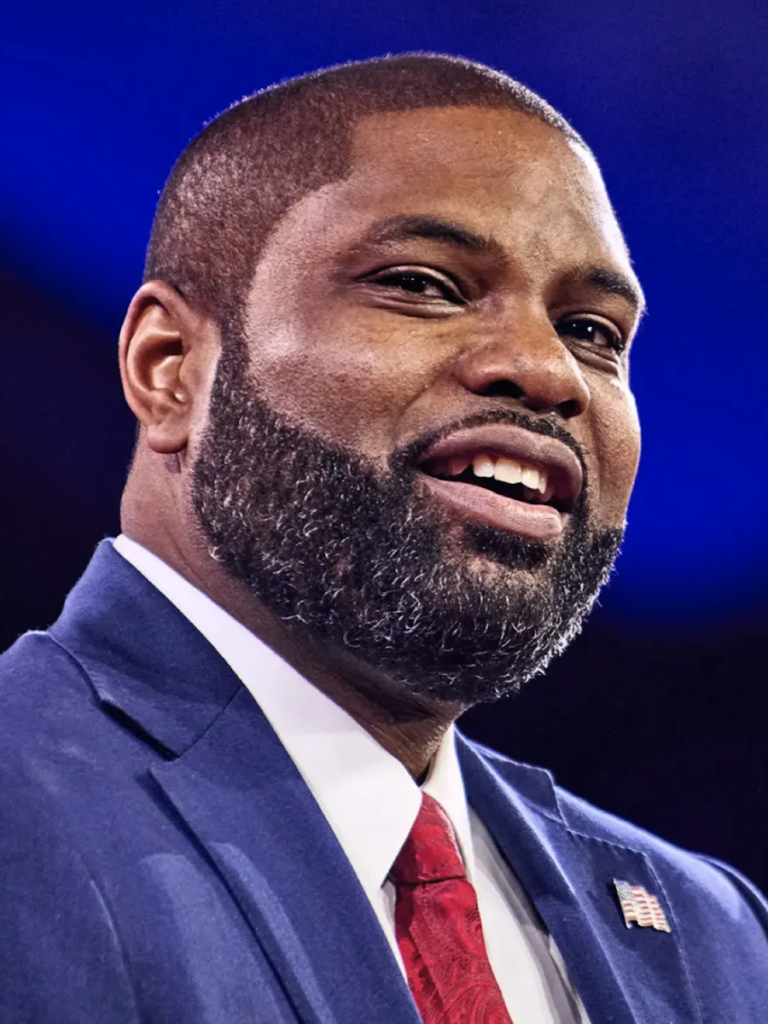
Once Florida was considered a decisive swing state on which every presidential election could depend, but in recent years the position of the Republican Party has strongly consolidated there. Current governor Ron DeSantis cannot seek re-election due to state term limits, as a result of which fierce primaries took place in the GOP. Ultimately the Republican nomination was obtained by Byron Donalds, a member of the House of Representatives representing Florida’s 19th district. If he wins he will be the first Republican governor of African-American origin in the Deep South, i.e. in the states of the former Confederacy that based their economy on slavery. Facing him the Democrats put up David Jolly, who until 2018 was a member of the Republican Party. Polls give Donalds an advantage of about four percentage points, which makes these elections an almost certain GOP victory, mainly thanks to the enormous advantage in campaign financing—Byron spent over $110 million by the end of October, and Jolly only $8 million.
Texas
2024 result – Trump +13.7
Incumbent governor – Greg Abbott (R)

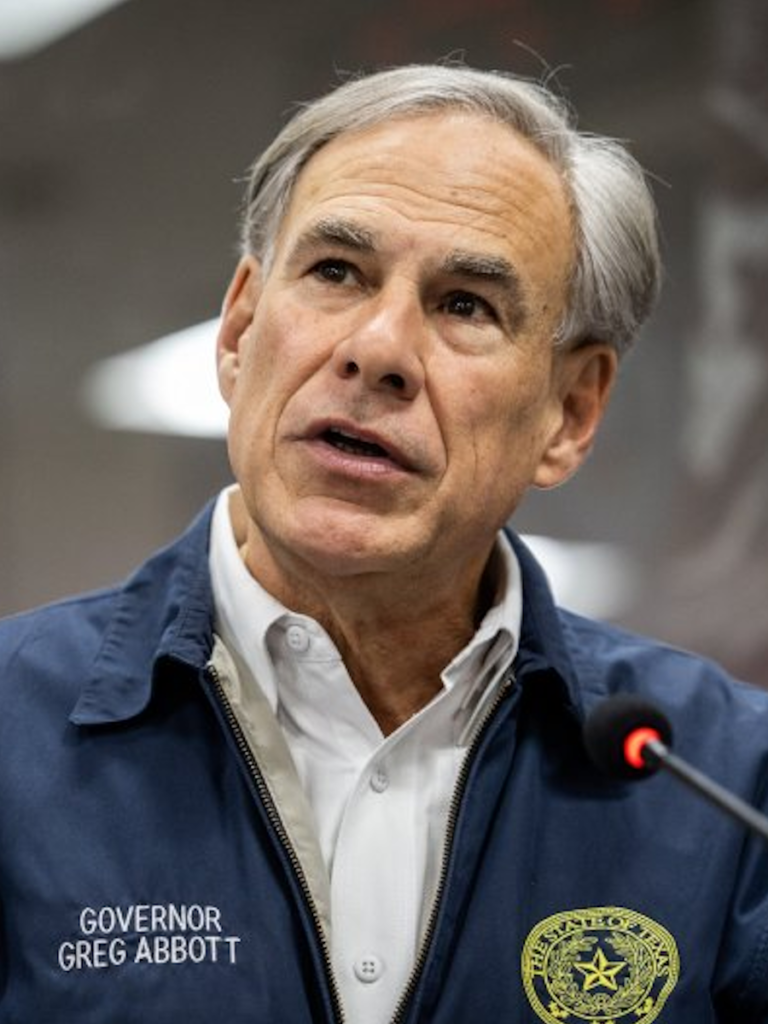
Republicans have controlled the governor’s chair of Texas for over three decades, and Greg Abbott is already seeking a fourth term. He easily obtained the GOP nomination and entered the electoral campaign with slogans of strengthening the protection of the border with Mexico, further economic growth of the state, and the abolition of state property taxes for schools. Moreover, thanks to the support of the oil company lobby he raised over $122 million for the campaign. Donald Trump’s help gives him the support of the hard right-wing base, and thanks to cooperation with police trade unions he creates the image of a strong and independent politician. However, demographic changes and the rise in the cost of living have made this campaign more fierce than in the previous election cycle. The Democratic Party nomination in the primaries was obtained by Gina Hinojosa. In the campaign she focuses on slogans of protecting workers’ rights, education reform through increasing the financing of public schools and raising teachers’ salaries, as well as moving away from very restrictive abortion law. Abbott’s enormous advantage in campaign financing gives him a slight advantage in the polls, which suggests that we can expect another four years of his rule in Austin.
Iowa
2024 result – Trump +13.2
Incumbent governor – Kim Reynolds (R) (not seeking re-election)


Starting from the election of Donald Trump in 2016, Iowa has clearly turned to the right. During the midterms under Joe Biden’s term a “red wave” swept through the state, which secured for the Republicans all positions in the executive as well as clear majorities in the local legislature. There was, however, one exception—the state auditor remained Democrat Rob Sand. To the joy of his party, he decided to seek the office of governor this year, and his popularity secured him the nomination.
A surprise occurred in turn during the Republican Party primaries. Congressman Randy Feenstra, supported by Donald Trump, lost to businessman Zach Lahn who came out of nowhere, associated rather with Health Secretary Robert Kennedy and his MAHA movement (Make America Healthy Again). Until the moment of victory he was not even taken into account in electoral polls and throughout the campaign he did not lead in any of them. As a curiosity, Lahn did not even get his own entry in Wikipedia.
Betting on a bipartisan message and riding the wave of discontent among farmers, Sand has built a clear advantage over his counter-candidate. If he wins, he will be the first Democratic governor of Iowa in 16 years.
Wisconsin
2024 result – Trump +0.9
Incumbent governor – Tony Evers (D) (not seeking re-election)

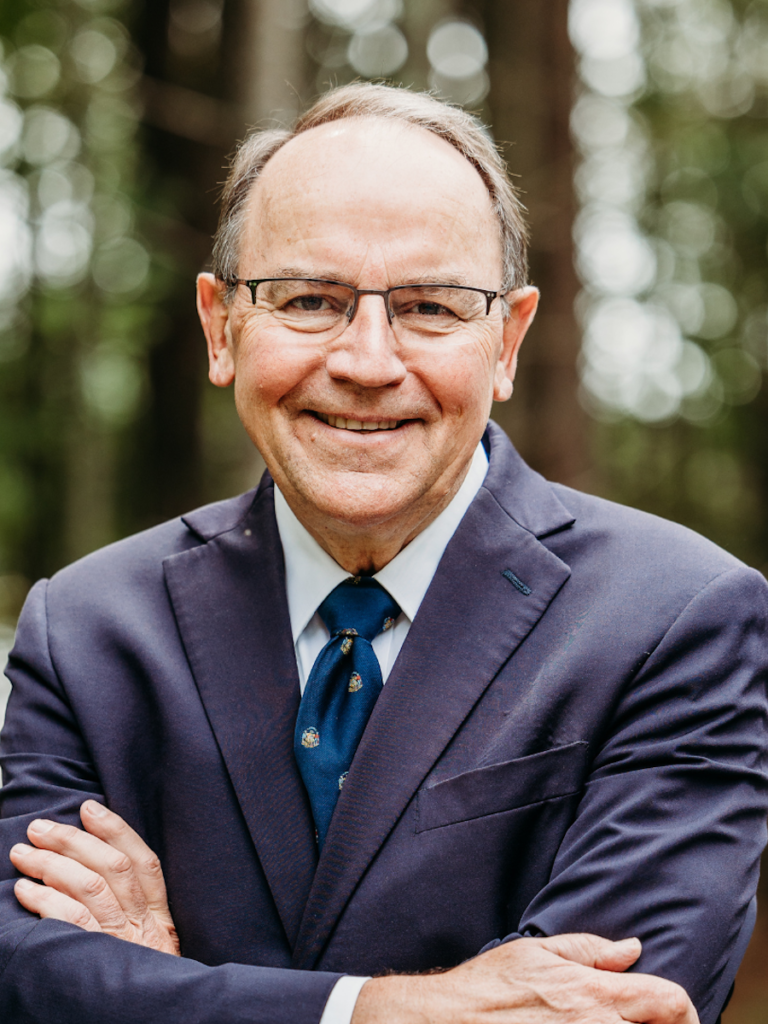
In the gubernatorial elections in Wisconsin, news devoted to the primaries in the Democratic Party dominated, which can be described with one word—chaos.
The first rumors indicated that incumbent governor Tony Evers would seek a third term, yet he quickly resigned from this idea. As a result the favorites became the lieutenant governors—former Mandela Barnes and current Sara Rodriguez. The latter, however, resigned from the run, which led to the return of David Crowley, Milwaukee County executive, who had already managed to abandon plans of candidacy. Throughout this period state representative Francesca Hong benefited from the instability of the party center. Considered radically left-wing, a member of the Democratic Socialists of America, she built her campaign from the grassroots, becoming—to the horror of the establishment—the favorite to win the nomination. Less than two weeks before primary day Barnes withdrew, leading the Democrats to panic. The party under the leadership of Governor Evers threw all possible resources to support the candidate having the greatest chance of defeating Hong—David Crowley. In the last poll before voting he was more than 20 percentage points behind the left-wing rival, but sensationally defeated her by a hair on primary day.
During this chaos the Republicans were catching up on losses, who were spared a similar turmoil. Congressman Tom Tiffany easily won the nomination and for some time dominated in the polls. However, over time Crowley made up the losses and took a comfortable lead, and in the event of victory he would become the first Black governor in the history of Wisconsin. Ultimately the unpopularity of the federal administration may prove stronger than local turbulences in the opposition.
Kansas
2024 result – Trump +16.1
Incumbent governor – Laura Kelly (D) (reached the term limit)
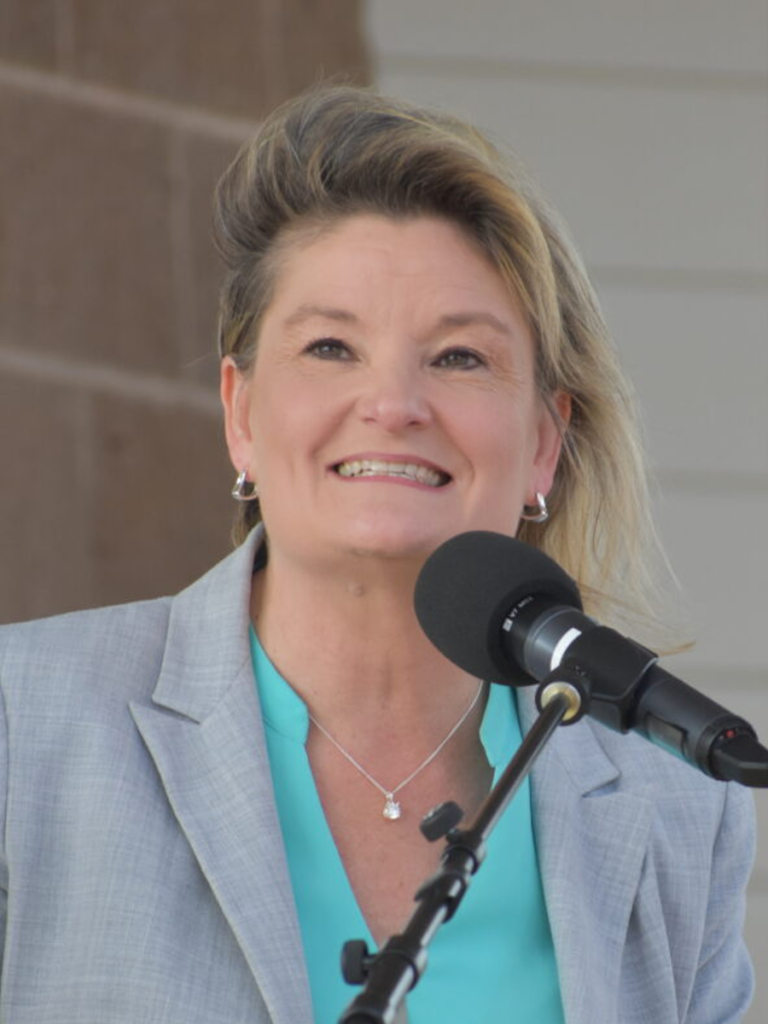
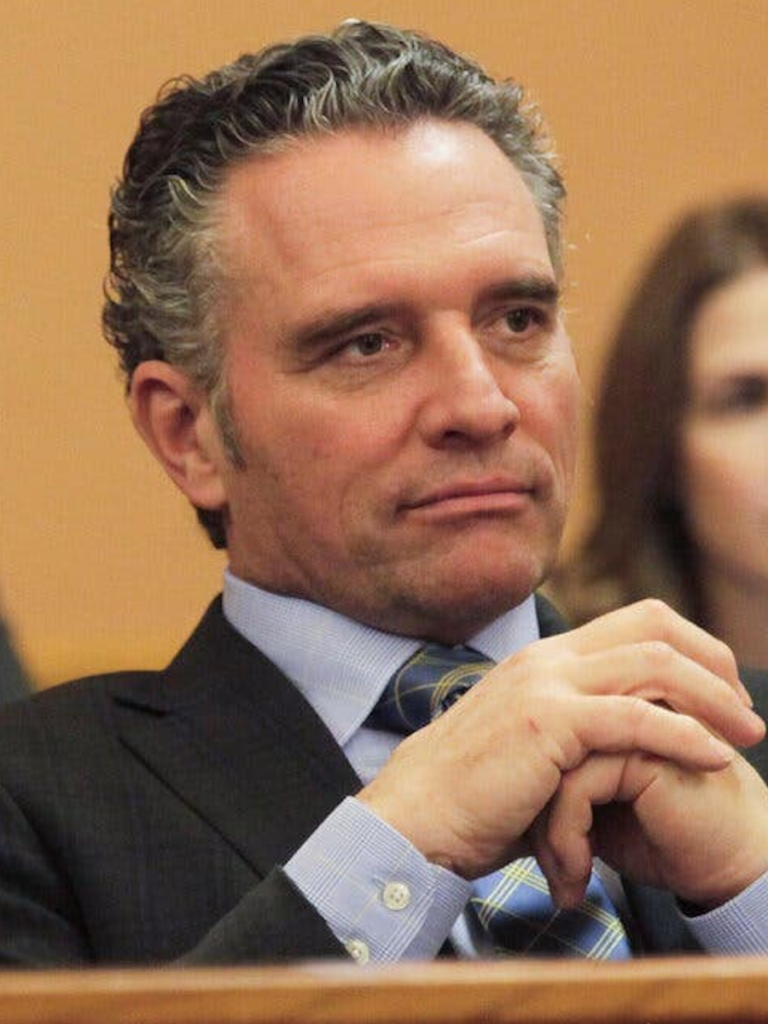
The race for the governor’s chair in Kansas opens a new chapter after the end of the second term of popular Democrat Laura Kelly, opening the field for a clash between state senator Cindy Holscher (Democrat) and state Senate president Ty Masterson (Republican). Masterson, representing the hard conservative wing of the Republican Party, is building his campaign on promises of tax cuts, lowering the costs of doing business, and protecting the interests of agriculture, trying to regain the state executive for the GOP. Facing him stands Cindy Holscher, who continues the moderate and pragmatic line of her predecessor, focusing on protecting public school budgets, infrastructure investments, and attracting independent voters with a proven form of gaining support in the affluent suburbs around Kansas City. This race is very interesting and worth attention because it is the only state in this election cycle that has a governor from the Democratic Party, and Donald Trump won the presidential elections in it in 2024 with a double-digit advantage. Polls at the moment give the advantage to Masterson, although it is minimal and the result will remain uncertain until the very end.
Nevada
2024 result – Trump +3.1
Incumbent governor – Joe Lombardo (R)
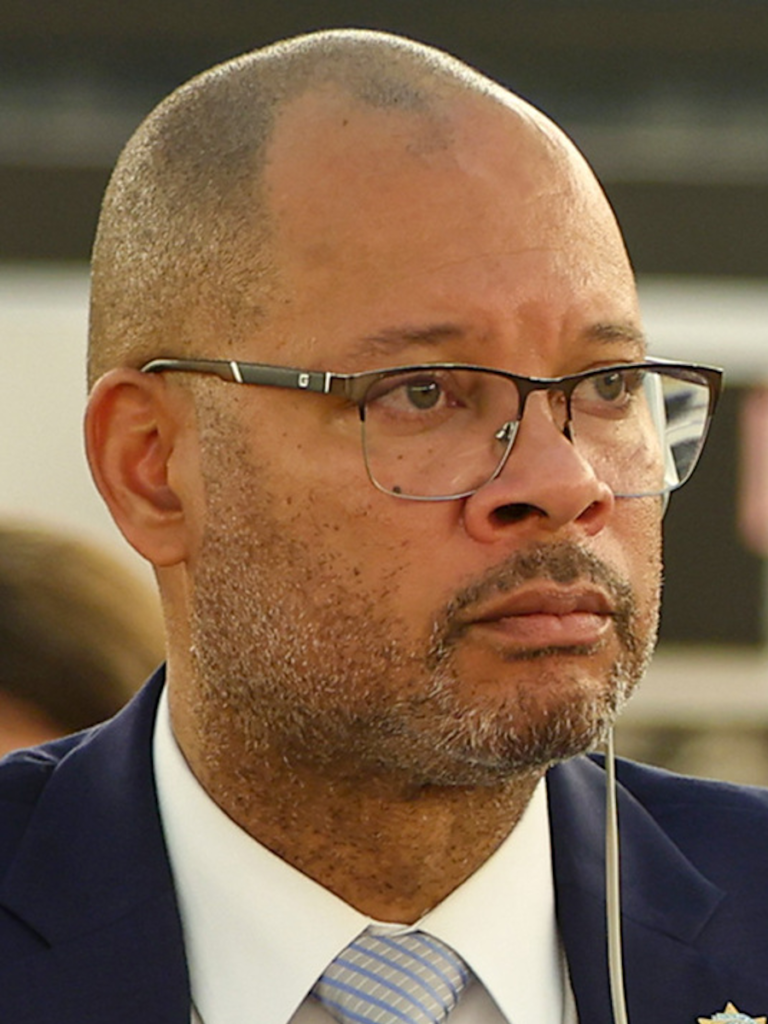
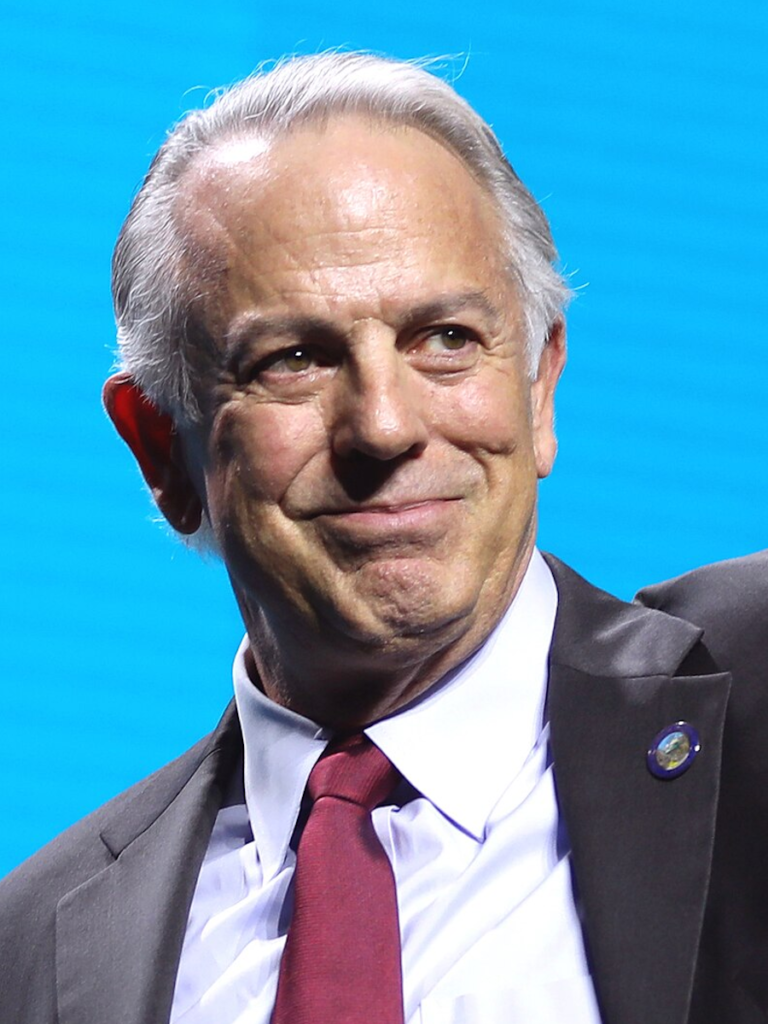
Which party will win in Nevada is always uncertain—whether at the state or federal level. No camp has control over all branches of state power, which requires frequent collaboration between Democrats, who control the legislature, and Republicans with the executive. In this election cycle incumbent governor Joe Lombardo (Republican) is seeking a second term, and the challenge is thrown to him by the current state attorney general, Aaron Ford (Democrat). Lombardo, former sheriff of Clark County (covering Las Vegas), bases his campaign on the moderate image of an efficient and independent governor, economic successes, and balancing between the state’s centrist electorate and the extreme MAGA wing. Aaron Ford, in turn, is conducting a campaign building a strong coalition around the trade unions of the hotel and entertainment industry as well as the LGBTQ community and racial minorities. The outcome of this race, as almost always in Nevada, will be decided by mobilization and turnout in the Las Vegas and Reno agglomerations and which of the candidates convinces unaffiliated voters, who constitute the largest percentage of voters in the entire country here. According to the polls this race will be one of the most evenly matched in the USA and no pollster gives the candidates an advantage exceeding the margin of statistical error.
Oregon
2024 result – Harris +14.3
Incumbent governor – Tina Kotek (D)


In Oregon incumbent Democratic governor Tina Kotek is fighting for a second term in a rematch of the 2022 clash against Republican state senator Christine Drazan. Kotek, representing the progressive wing of her party, concentrates the message on the fight against the housing crisis, homelessness, and the continuation of state environmental policy, basing her base on the powerful electoral stronghold in Portland and the surrounding areas. Drazan, on the other hand, aggressively uses social discontent with rising living costs, public safety issues, and the state’s struggle with drug addictions, building a broad front of independent and moderate voters tired of the long-term dominance of the Democratic Party in the executive. Polls predict an extremely close race, yet they give a slight advantage to Kotek.
Alaska
2024 result – Trump +13.1
Incumbent governor – Mike Dunleavy (R) (reached the term limit)


Alaska is in many respects a specific state. For example, although formally the majority in both chambers of the state legislature is held by the Republican Party, the state is de facto governed by a coalition of Democrats, unaffiliated, and moderate Republicans. This specificity is also manifested by the complicated electoral system (about which more precisely in the chapter describing the local Senate elections), which delivered quite a few surprises this year.
The favorite to win the primaries was Tom Begich—former leader of the Democrats in the state Senate, representative of the influential Begich family, and, interestingly, uncle of the incumbent Republican member of the House of Representatives from Alaska Nick Begich III. Ultimately he took a close second place, but to the surprise of many he lost to another Democrat—Jonathan Kreiss-Tomkins, a former state representative. Taking the first two places in the primaries by Democrats in a traditionally red state is mainly the result of the implosion among Republicans—no candidate of this party obtained more than 10% of the votes. The actual elections were qualified for by conservative activist Bernadette Wilson and former Anchorage mayor Dave Bronson. After the withdrawal of Tom Begich his place was taken by former attorney general Treg Taylor.
Kreiss-Tomkins not only gained support from Begich but also from the leading representative of the more moderate wing in Alaska—Senator Lisa Murkowski, a Republican. His main competitor became the decidedly more right-wing Bernadette Wilson, who gathered support from Donald Trump and other representatives of the MAGA movement. Polls indicate, however, that the center may once again triumph in the far north of America.
Among the remaining gubernatorial races in many states Democrats dominate. In Pennsylvania Josh Shapiro, often mentioned as a potential presidential candidate, is heading for a certain victory over Republican Stacy Garrity. After the withdrawal of the independent candidacy of the mayor of Detroit, in Michigan Democrat Jocelyn Benson dominates over Congressman John James. In Minnesota Tim Walz, the vice-presidential candidate from two years ago, will most probably be replaced by Senator Amy Klobuchar, and in Arizona incumbent governor Katie Hobbs has built a considerable advantage over Republican congressman Andy Biggs. The exception is two states in New England—Vermont and New Hampshire. These traditional Democratic electoral bases have for many years opted at the local level for more moderate Republicans. It is also worth paying attention to California—not because of an evenly matched race, but because Governor Gavin Newsom, one of the favorites to win the Democratic presidential nomination, is ending his term.
District of Columbia (Washington D.C.)
2024 result – Harris +83.8
Incumbent mayor – Muriel Bowser (D)
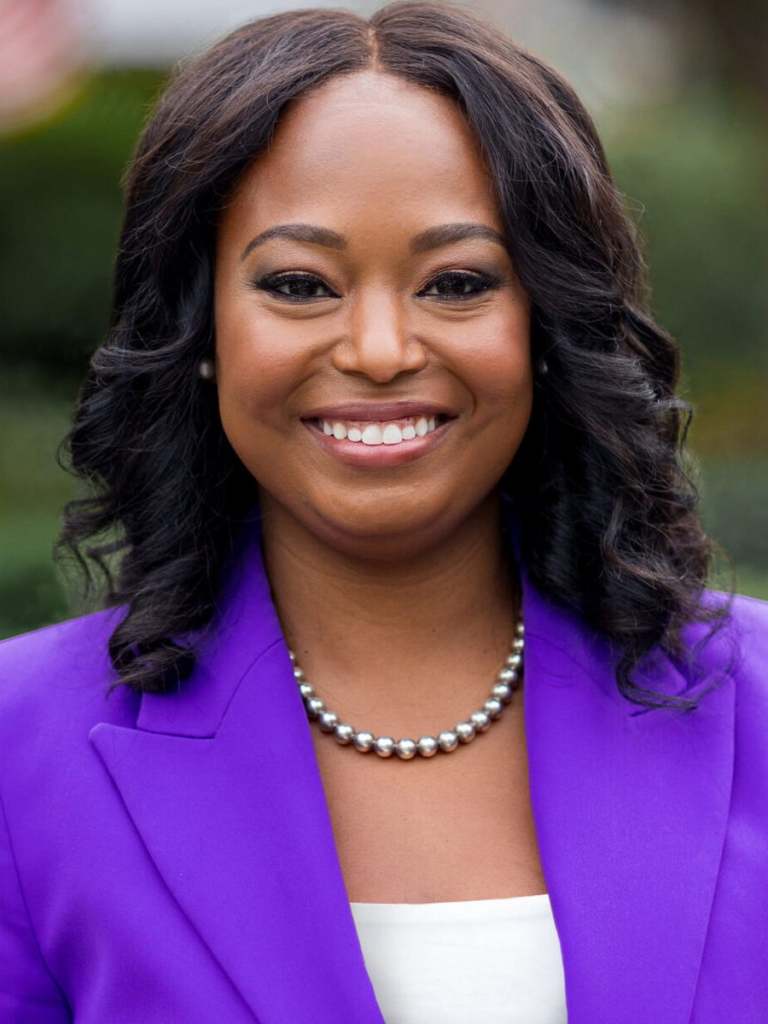

Apart from the previously mentioned elections to the Senate, House of Representatives, and also for governors in the United States, elections to territories outside the control of any state also take place. An interesting case of such a race is the election of the new mayor of the capital, i.e. Washington, District of Columbia.
These elections mark the end of a certain era, because incumbent for over a decade Muriel Bowser decided not to seek a fourth term. In the deeply Democratic capital the actual decision was made in the primaries, which were won by District Council member Janeese Lewis George, representing a decidedly progressive party wing. Her campaign focuses on the expansion of communal housing, pro-worker reforms, and the fight against crime through social programs and the revitalization of districts, which makes her a clear favorite in the clash with the DC Statehood Green Party candidate, Robert L. Gross. In a city so dominated by Democrats the Republican Party decided not to field a candidate.
Summary
Predictions based on nationwide polls and predictive models indicate a clear political turn and a great chance for the Democratic Party to take control of the entire Congress. In the House of Representatives the support indicators for Democratic candidates on a national scale maintain an advantage of the order of 7-9 percentage points, which, given the historical midterm tendency to vote against the party of the incumbent president and the weakening ratings of the Donald Trump administration, gives the opposition a strong base for the safe recovery of the lower chamber. Despite the maneuvers carried out by the Republicans with the new division of electoral districts (gerrymandering) in the South, widespread discontent with rising living costs, tariff policy, and the economic situation neutralizes these changes. In the case of the Senate the race remains much more fierce, yet electoral models give Democrats over 60% chance of obtaining the required majority of 51 seats. Key turned out to be the strong positions of opposition candidates in traditional strongholds and swing states, such as North Carolina, Ohio, or Michigan, as well as unexpected chances of recapturing seats in Texas, Iowa, or Alaska, which in combination with the problems of the ruling camp puts the Republicans on the defensive.
If the Democrats actually obtained full control over both chambers of Congress, it would mean the immediate collapse of the previous legislative monopoly of the Donald Trump administration and paralysis of plans in the area of key domestic reforms. Taking over the Senate would give the opposition a powerful tool in the form of the right of veto over presidential nominations of government, ambassadors, and to lifetime vacancies in the federal judiciary and the Supreme Court, which would permanently block the further shifting of the judiciary to the right. In turn, a majority in the House of Representatives would ensure the Democrats full control over investigative committees, opening the way to mass hearings of officials under the rigor of criminal responsibility, intensive scrutiny of the White House’s economic decisions, and the potential launching of the impeachment procedure. Such a scenario would introduce Washington into a phase of sharp, two-year political paralysis before the upcoming presidential elections. In other words, if the Democrats win both chambers of Congress, a repeat of the second half of Trump’s first term awaits us, this time, however, the opposition will try much more strongly to fight the administration, which is staffed exclusively with people from the MAGA environment, with a few exceptions. In such a case, backstage discussions may begin in the Republican Party about cutting themselves off from Donald Trump and the MAGA movement for fear of potential investigations and loss of seats in the next elections.
Potentially the greatest threat to the stability of the state after the closing of the polling stations may turn out to be the MAGA movement and the attitude of Donald Trump himself, who already during the campaign prepared the ground for undermining the legality of the process in the event of defeat. On Tuesday, October 27, Trump, in response to a journalist’s question about recognizing the election result in the event of the Democrats recovering Congress, answered: “I will if they’re honest elections” – “I will accept if they are honest elections.” Building such a narrative may lead to even greater discouragement with Trump by undecided voters, who may rightly perceive this rhetoric as an attempt to create an authoritarian system in the USA. Situations such as the complicated controversies around the voting system and duplicate candidates in Alaska or disputes over mail-in voting provide ready narrative fuel for repeating claims about “stolen elections.” Challenging the results in key states by the president’s closest circle threatens the outbreak of a serious constitutional crisis, mass protests, and the blocking of the formal certification of new seats in Congress. This may deepen the already deep social polarization and transfer the post-election settlement into long-lasting, exhausting battles before state and federal courts, and in the worst-case scenario it may be the spark that ignites the flame of civil war in the United States.
Sources:
Translated from Polish by Grok Ai
https://www.britannica.com/question/What-controversies-surround-Graham-Platners-campaign
https://en.wikipedia.org/wiki/2026_United_States_Senate_election_in_Maine#
https://www.nhpr.org/politics/2026-10-30/whos-running-us-senate-nh-voting-pappas-sununu-newhampshire
https://en.wikipedia.org/wiki/2026_United_States_Senate_election_in_New_Hampshire#General_election
https://en.wikipedia.org/wiki/2026_United_States_Senate_election_in_Michigan
https://www.npr.org/2025/06/29/g-s1-75207/republican-thom-tillis-reelection-trump
https://en.wikipedia.org/wiki/2026_United_States_Senate_special_election_in_Florida#
https://www.fox13news.com/news/iowa-2026-senate-josh-turek-ashley-hinson
https://en.wikipedia.org/wiki/2026_United_States_Senate_election_in_Iowa#General_election
https://www.theguardian.com/us-news/2026/sep/24/mary-peltola-campaign-allegations
https://www.thepolicycircle.org/briefs/makes-america-exceptional-u-s-senate-explained
https://en.wikipedia.org/wiki/2026_Georgia_gubernatorial_election#
https://en.wikipedia.org/wiki/2026_United_States_Senate_special_election_in_Ohio#
https://en.wikipedia.org/wiki/2026_Wisconsin_gubernatorial_election#
https://en.wikipedia.org/wiki/2026_Alaska_gubernatorial_election#
https://www.house.gov/the-house-explained
https://www.lwv.org/blog/scotuss-final-blow-dismantling-voting-rights-act
https://en.wikipedia.org/wiki/2026_United_States_Senate_election_in_Texas#Polling_4
https://www.thepaxtonrecord.com
https://www.economist.com/interactive/trump-approval-tracker
https://en.wikipedia.org/wiki/2026_United_States_Senate_election_in_Minnesota#
https://en.wikipedia.org/wiki/2026_United_States_Senate_election_in_Kansas#
https://en.wikipedia.org/wiki/2026_United_States_Senate_election_in_Nebraska#
https://www.osbornforsenate.com
https://en.wikipedia.org/wiki/2026_United_States_Senate_election_in_Idaho#
https://en.wikipedia.org/wiki/2026_United_States_Senate_election_in_Montana#
https://en.wikipedia.org/wiki/2026_United_States_Senate_election_in_South_Dakota#
https://en.wikipedia.org/wiki/2026_Florida_gubernatorial_election#
https://en.wikipedia.org/wiki/2026_Texas_gubernatorial_election#
https://en.wikipedia.org/wiki/2026_Kansas_gubernatorial_election#
https://en.wikipedia.org/wiki/2026_Nevada_gubernatorial_election
https://en.wikipedia.org/wiki/2026_Oregon_gubernatorial_election#
https://en.wikipedia.org/wiki/2026_Washington,_D.C.,_mayoral_election
https://www.nbcnews.com/politics/2026-elections/midterms#polling-section
About the authors
 Adrian MatuszykVice President · Co-Editor-in-ChiefKSKarol SornatAnalyst: Religion, Right-wing Movements
Editorial care
 Piotr KuczałaCo-Editor-in-Chief · Culture
How to cite
Adrian Matuszyk, Karol Sornat (2026). Everything You Need to Know About the Midterms in the USA. TC/2026/27. Terra Cracovianum, Kraków.