
Introduction
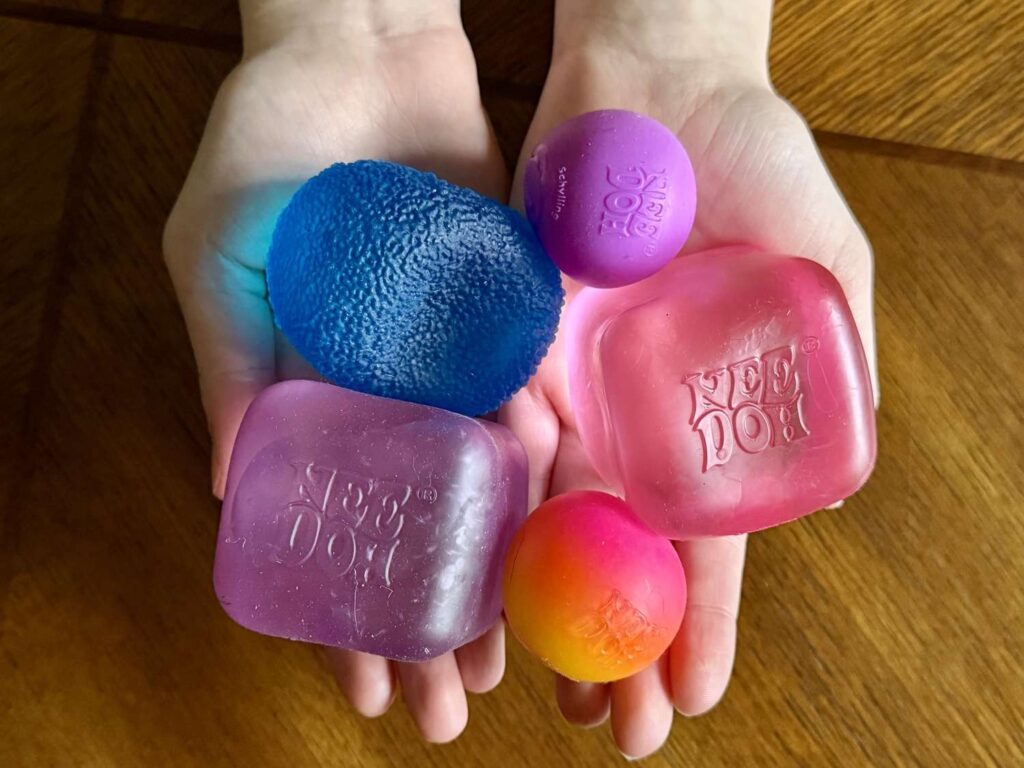
A while ago, I was shopping at Lidl, picking up food and drinks for a barbecue with some colleagues from work. Just as I was about to head to the checkout, a female friend who was also supposed to show up at the party called me. She had an unusual request: could I buy her a NeeDoh stress ball? Hearing about this product for the first time, I decided to check online to see what it was actually all about. The first search result I saw was an article from the Spider’s Web portal with the telling title: “Poles have gone mad. Standing outside Lidl at 1:00 AM for a piece of rubber.”
It brought back memories of a situation from a few years ago when the whole world went crazy over Fidget Spinners, as well as the recent craze for Labubu dolls. I realized then that this was not an isolated incident, but a constantly recurring phenomenon. This commentary is an attempt to explain why and how these viral toys and gadgets suddenly become global objects of desire.
Originality and Innovation
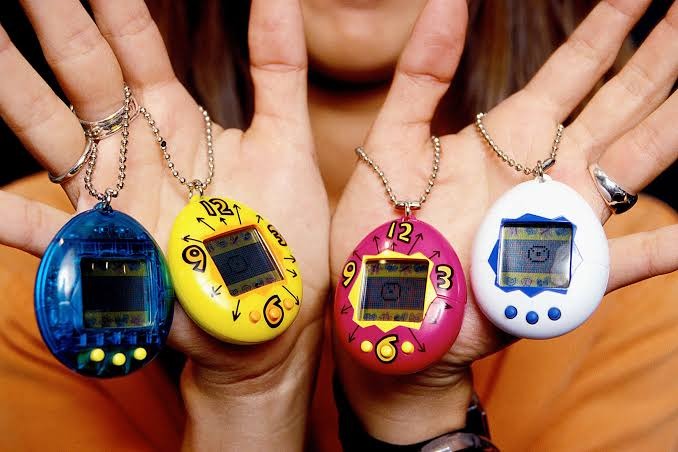
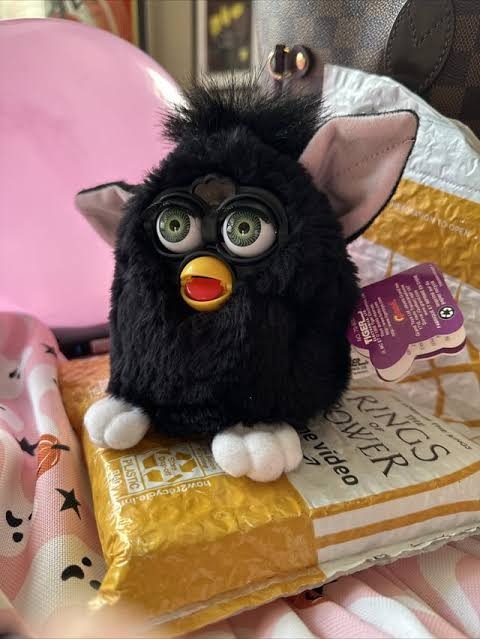
Above all, these toys stand out from the competition through their design or a unique idea that brings a breath of fresh air to the market. Sometimes it is a technological innovation. A good example is Tamagotchi—which is not only the title of a song by Taco Hemingway and Quebonafide, but primarily an iconic Japanese toy from the second half of the 1990s. This miniature, egg-shaped console allowed users to take care of a virtual pet: feed it, clean up after it, treat its illnesses, and play with it, closely resembling the later popular mobile app Pou. In the context of the 90s, and especially in Polish reality back then, it was a revolutionary experience. A similar breakthrough was Furby—though I mean the original 1998 version, not the 2013 model that most people might associate with it. It was the first mass-produced interactive animatronic plush toy that responded to sound and touch, giving the impression that it was learning a language.
More often, however, viral hits do not reinvent the wheel, but take a familiar, simple concept and give it a unique twist. The aforementioned NeeDoh stress balls stand out due to an unprecedented silicone texture that is satisfying to the touch, as well as unusual shapes—ranging from cubes (“Nice Cube”) to licensed editions resembling a Coca-Cola can.
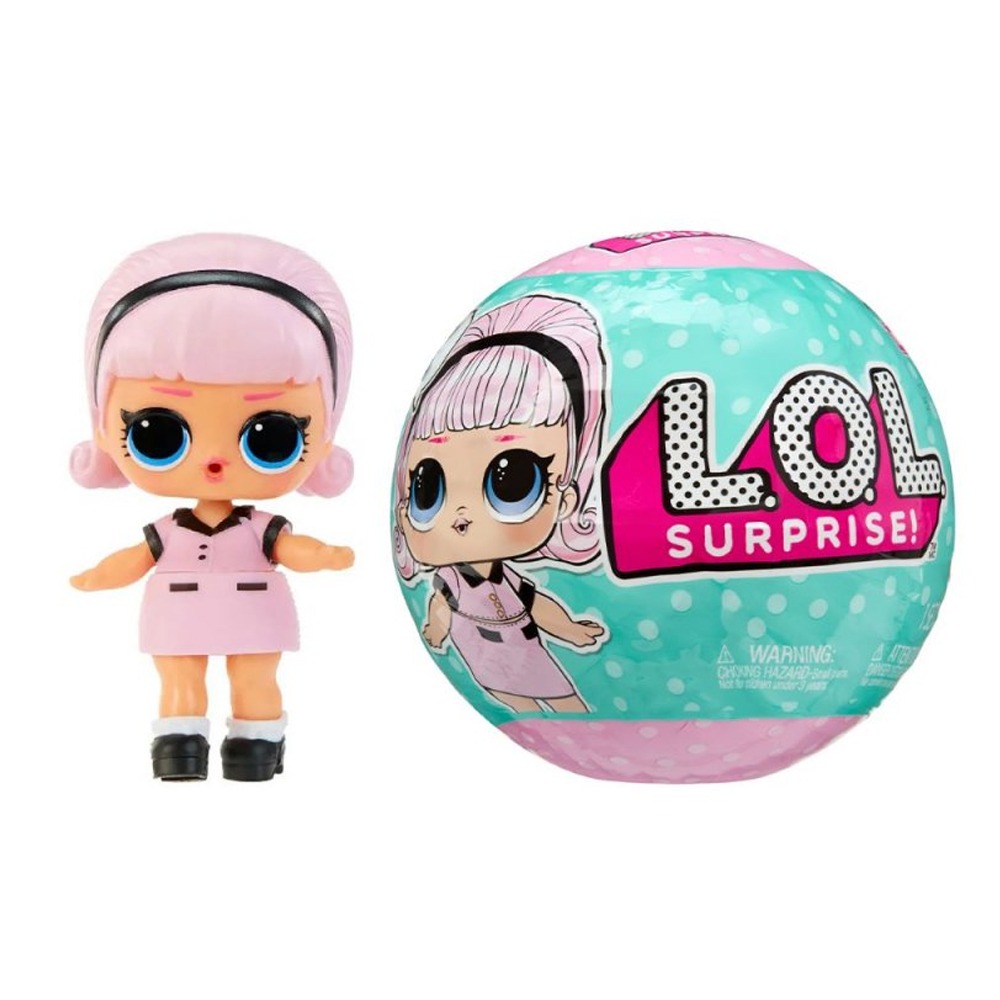
Another example is L.O.L. Surprise! dolls. Apart from minor interactive features (spitting water, crying, changing color in a cold bath), their true genius lay in a sales approach based on the blind box mechanism. Instead of buying a specific model off the shelf, the customer purchased a multi-layered sphere containing a random figurine inside. Each doll was assigned a specific level of rarity. You could end up with a regular figurine or, with a bit of luck, an ultra-rare, limited-edition gold barista doll from the equally limited “Dubai Chocolate Matcha Latte” edition, which you could use to impress peers at school or resell on Vinted for a hefty sum. Today, the globally popular Labubu plushies utilize the exact same mechanism of randomness and excitement; in addition to a similar sales style, they stand out with their unique image of a cute-yet-spooky creature.
Hype, Publicity, and the Power of Social Media
However, product uniqueness alone is not enough—it requires massive publicity. In the past, this was built through traditional television campaigns, as in the case of Furby, or through word of mouth. That was how Tamagotchi took over Polish schools in the 1990s. Children simply showed off the gadget in the hallways, and word spread from classroom to classroom.
In the internet era, however, this mechanism moved to video platforms and social media. Fidget spinners exploded thanks to trick videos and testing on YouTube, while L.O.L. dolls built their empire on unboxing videos, where the multi-stage tearing of foil became more exciting for viewers than the toy itself.
Added to this is endorsement from celebrities, influencers, actors, and other pop culture figures who can promote these toys even further. Labubu plushies gained the status of a luxury fashion accessory the moment Lisa from the South Korean girl group Blackpink posed with them on Instagram. In her footsteps, other artists picked up the trend—for instance, the singer d4vd, who threw figurines from the stage toward his fans during concerts, while in Thailand, Labubu even attained the status of a tourism ambassador. When a product becomes part of the identity of the younger generation’s idols, the marketing engine starts driving itself.

Herd Psychology: The Bandwagon Effect and FOMO
When a particular item becomes ubiquitous in the media and our surroundings, pure psychology comes into play. Even if a gadget initially seems useless or simply ugly, the fact that everyone around desires it drastically alters perception.
In psychology and behavioral economics, this phenomenon is called the bandwagon effect. It consists of uncritically adopting consumption behaviors and patterns simply because the majority of the group is doing so. I fell for it myself during the Fidget Spinner craze. I begged my mother to buy me my own spinner—not because I found it particularly fascinating or interesting, but because literally everyone at school had one, and I simply didn’t want to stand out.

Inextricably linked with the bandwagon effect is FOMO (Fear Of Missing Out), the fear of exclusion and the feeling that we are missing out on something important. In the age of constant scrolling on TikTok and Instagram, we compare ourselves to others faster and more frequently than ever before. The sight of empty shelves, limited drops, and friends showing off their loot triggers a subconscious urge: “I must have it now, or I’ll be left behind.”
Summary
Times, technologies, and communication channels change, but the mechanism of viral success remains constant. Whether we are talking about Tamagotchi in the 90s, the Fidget Spinner in 2017, or today’s silicone cube from Lidl, the pattern is the same every time: a neatly packaged novelty, massive media hype, and the human need for belonging fueled by FOMO and peer pressure.
Gadgets are rarely about objective functionality. We buy them primarily to stay trendy, to feel a temporary rush of dopamine, and to have a sense of participating in something the whole world is living at that moment. So instead of mocking people standing in line at night for a piece of rubber, it is worth remembering that almost every one of us has fallen for the exact same illusion at some point.
Bibliography:
- Original text in Polish – translated by Gemini Ai
Zdjęcia
- Labubu (fot. Xia Yu/VCG via Getty Images) wzięte z:
https://www.bbc.com/news/articles/cy4ydxlm9n9o - NeeDoh (fot. Sari Hitchins) wzięte z:
https://www.parents.com/what-is-the-needoh-microwave-trend-11910993 - Tamagotchi (fot. Xavier ROSSI/Getty Images) wzięte z:
https://www.wired.com/story/tamagotchi-25-year-anniversary-impact/ - L.O.L. (fot. Nie wiadomo) wzięte z:
https://www.pertinitoys.com/product–l-o-l-surprise-lutka-nfx - Furby (fot. u/CookiesCandy) wzięte z:
https://www.reddit.com/r/furby/comments/xmd5b6/just_got_this_gorgeous_1998_beauty_but_shes_not/ - Thailabubu (fot. TATNews) wzięte z:
https://www.tatnews.org/2024/07/tat-and-pop-mart-welcome-labubu-to-explore-thailand/ - FOMO (fot. Milan_Jovic / Getty Images) wzięte z:
https://www.verywellmind.com/how-to-cope-with-fomo-4174664
Źródła
- Polakom odbiło. Stali pod Lidlem o 1:00 w nocy po kawałek gumy (3 sierpnia 2026) Spider’s Web. https://spidersweb.pl/2026/08/lidl-gniotek-needoh-warszawa-poszukiwania-1-w-nocy.html
- Adults are buying toys for themselves, and it’s the biggest sales driver for the industry (19 grudnia 2022) CNBC. https://www.cnbc.com/2022/12/19/kidults-biggest-sales-driver-toy-industry.html
- The Most Popular Toy the Year You Were Born (15 grudnia 2023) Cosmopolitan. https://www.cosmopolitan.com/lifestyle/g69500091/popular-toys-year-you-were-born/
- TAT and POP MART Welcome ‘Labubu’ to Explore Thailand (2 lipca 2024) TAT Newsroom. https://www.tatnews.org/2024/07/tat-and-pop-mart-welcome-labubu-to-explore-thailand/
- Naukowiec: Labubu zyskało popularność, ponieważ symbolizuje wewnętrzną złożoność człowieka (5 sierpnia 2025) PAP. https://www.pap.pl/aktualnosci/naukowiec-labubu-zyskalo-popularnosc-poniewaz-symbolizuje-wewnetrzna-zlozonosc/
- The Bandwagon Effect: Why do we support ideas when others do? The Decision Lab. https://thedecisionlab.com/biases/bandwagon-effect
- How YouTube unboxing videos have created grade-school influencers — and a lucrative market for surprise toys (13 grudnia 2019) CBC Radio. https://www.cbc.ca/radio/day6/benefiting-from-brexit-unboxing-videos-kids-toys-holiday-book-guide-carmen-maria-machado-and-more-1.5394177/how-youtube-unboxing-videos-have-created-grade-school-influencers-and-a-lucrative-market-for-surprise-toys-1.5394186
- Wyjaśniamy fenomen Labubu: dlaczego świat oszalał na punkcie tej upiornie uroczej zabawki (2024) Flexdog. https://www.flexdog.pl/magazyn/wyjasniamy-fenomen-labubu-dlaczego-swiat-oszalal-na-punkcie-tej-upiornie-uroczej-zabawki
- Fidget spinners, explained (3 maja 2017) Vox. https://www.vox.com/science-and-health/2017/5/3/15529506/fidget-spinners-trend-science
- What’s Furry, Literate and, Judging by Events, Indispensable? (11 grudnia 1998) The New York Times. https://www.nytimes.com/1998/12/11/us/what-s-furry-literate-and-judging-by-events-indispensable.html
- Nostalgia Video Box Of NEW (Almost) Full Set (1 czerwca 2019) CookieSwirlC. https://www.youtube.com/watch?v=tZ70-M8PAec
- d4vd giving the labubus to the crowd with From The Start – Withered Tour in Chicago (7 września 2025) YouTube. https://www.youtube.com/watch?v=cM18mn38UHY